
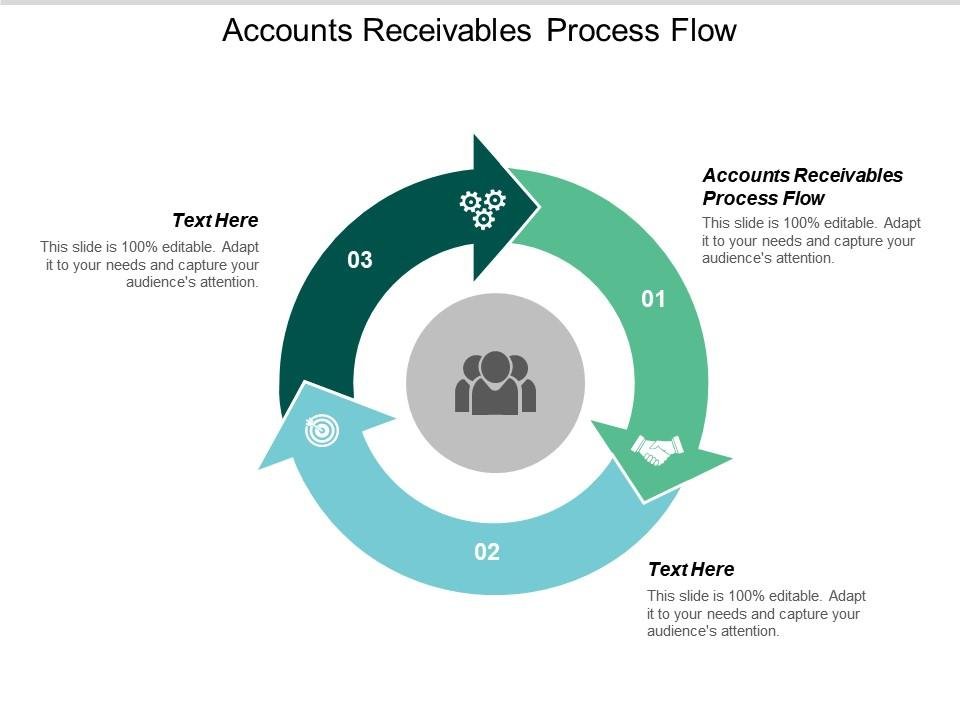
To receive and collect money from customers on time is the role of account receivable. In every business, money coming in is just as important as money going out, sometimes even more. This is where the role of Accounts Receivable becomes very important, but many people do not give it the attention it really deserves. Accounts Receivable is not just about collecting payments, it is actually about managing customer relationships, maintaining cash flow and making sure the business stays financially healthy.
Some people think this job is easy, like just sending invoices and waiting for payments, but in reality it is much more complicated. It requires patience, attention, communication skills and also a good understanding of finance. In many companies, specially in hospitality or trading businesses, accounts receivable plays a major role in daily operations.
Key ideas to understand:
- It is not only about money collection but also customer handling
- It directly affects cash flow of the company
To Apply Mail at the end of Page
Understanding the Basic Function of Account Receivable
Accounts Receivable basically means the money that customers owe to the business. When a company sells goods or services on credit, it creates receivables. Managing these receivables is the main responsibility of the accounts receivable department.
The process starts from generating invoices and recording them properly in the system. Each invoice must be accurate because even a small mistake can delay payment. Customers usually check invoices carefully, and if something is wrong, they will not pay until it is corrected.
Another important thing is maintaining proper records. The AR team must track all outstanding balances, payment due dates and customer details. If records are not organized, it becomes difficult to follow up and manage collections.
Important points:
- Accurate invoicing helps in faster payment
- Proper records make tracking easier and more reliable
Invoice Preparation and Documentation
One of the first responsibilities in accounts receivable is preparing invoices. This may sound simple but actually it needs careful attention. The invoice should include correct details like customer name, amount, description of service, tax and payment terms.
If invoice is not clear, customer may get confused or delay the payment. In some cases, they may even reject it. So it is very important to ensure that all information is complete and easy to understand.
Documentation is also important. Supporting documents like delivery notes, contracts or service reports must be attached where required. This builds trust and reduces disputes between company and customer.
Key points:
- Clear invoices reduce chances of disputes
- Supporting documents increase customer confidence
Managing Customer Account
Accounts receivable is not only about numbers, it is also about people. Each customer has a different behavior when it comes to payments. Some pay on time, some delay, and some need regular reminders.
The AR team must maintain good relationship with customers. Communication should be professional but also polite. If the tone is too harsh, it may damage the relationship. At the same time, payments must be followed properly.
Keeping customer records updated is also important. Contact details, credit limits and payment history should be available. This helps in making better decisions in future.
Important ideas:
- Good communication improves collection chances
- Updated customer data helps in better control
Credit Control and Risk Management
Before giving credit to customers, the company must evaluate their ability to pay. This is called credit control, and it is an important part of accounts receivable.
The AR team checks customer history, financial position and previous payment behavior. Based on this, they decide how much credit can be given. Giving too much credit without checking can lead to bad debts.
Risk management is also part of this. The team must identify risky customers and take preventive actions. For example, reducing credit limit or asking for advance payment.
Key reminders:
- Credit should be given carefully, not blindly
- Risk identification helps in avoiding losses
Collection and Follow-Up Process
Collection is one of the most challenging parts of accounts receivable. Not all customers pay on time, and some need continuous follow-up. The AR team must monitor due dates and send reminders before and after due date.
Follow-up can be done through emails, calls or messages. It is important to stay consistent but also respectful. Sometimes customers delay due to genuine reasons, so understanding is also needed.
In some cases, payments may become overdue for a long time. Then stricter actions may be required like stopping further credit or involving management.
Important points:
- Regular follow-up increases chances of payment
- Professional approach is important in communication
Cash Application and Reconciliation
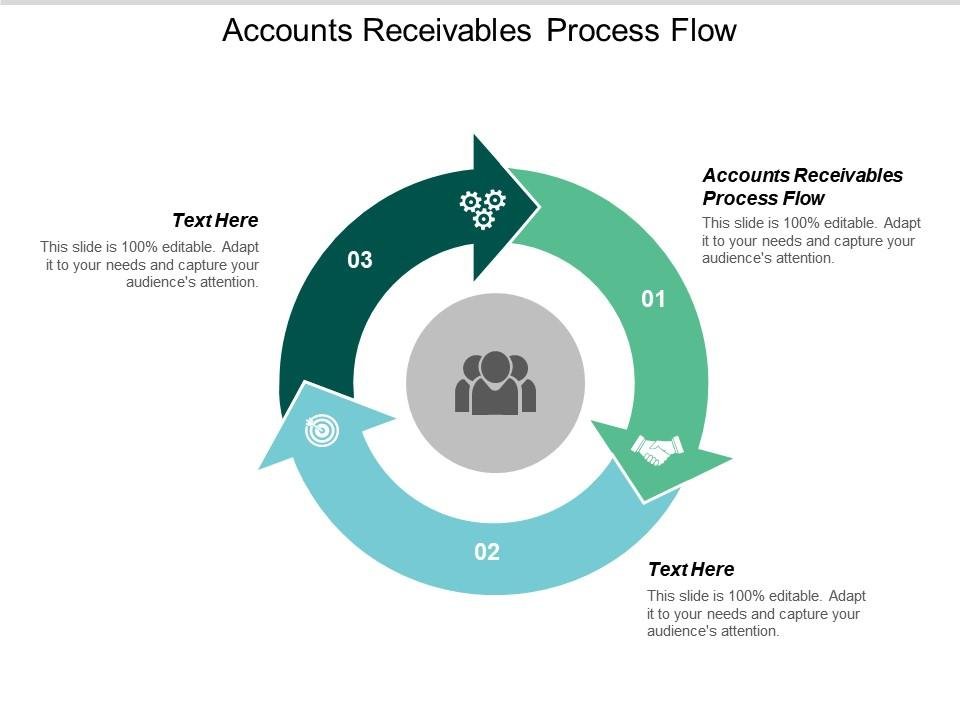
Once payment is received, it must be recorded correctly. This process is called cash application. The AR team matches the payment with the correct invoice and updates the system.
Sometimes customers make partial payments or combine multiple invoices in one payment. This can create confusion and needs careful handling. If not done properly, accounts may show wrong balances.
Reconciliation is also necessary. The company records must match with customer statements. If there is any difference, it should be investigated and corrected.
Key points:
- Accurate recording avoids confusion in accounts
- Regular reconciliation keeps data clean and reliable
Handling Disputes and Adjustments
Disputes are common in accounts receivable. Customers may disagree on invoice amount, service quality or terms. The AR team must handle these issues carefully.
Instead of arguing, they should try to understand the problem and find a solution. Sometimes it may require coordination with other departments like sales or operations.
Adjustments like discounts, credit notes or write-offs may also be needed. These should be properly approved and recorded.
Important notes:
- Quick resolution of disputes helps in faster collection
- Proper approval is needed for any adjustment
Reporting and Analysis
Accounts receivable is not just operational, it also involves reporting. The AR team prepares reports like aging reports, collection reports and outstanding balances.
These reports help management to understand how much money is pending and how old it is. Aging report is specially important because it shows overdue amounts.
Analysis of data can also help in improving performance. For example, identifying customers who delay payments regularly.
Key ideas:
- Reports provide clear picture of receivables
- Analysis helps in improving future strategy
Impact on Cash Flow
Accounts receivable has direct impact on cash flow of the business. If customers do not pay on time, the company may face cash shortage. This can affect operations like paying salaries or suppliers.
Even if the company is making profit, without cash it cannot survive. That is why AR plays a very important role in maintaining liquidity.
The faster the collection, the better the cash flow. So AR team must always try to reduce collection time.
Important points:
- Cash flow depends on timely collection
- Faster payments improve financial stability
Use of Technology in Accounts Receivable
Today, technology has made accounts receivable more efficient. Many companies use software to manage invoices, track payments and send reminders automatically.
These systems reduce manual work and improve accuracy. But still, human involvement is needed for decision making and communication.
Learning new systems is important for AR professionals. It helps them work faster and better.
Key points:
- Technology improves efficiency and accuracy
- Human judgment is still important
Challenges in Accounts Receivable
Accounts receivable work is not always easy. There are many challenges like delayed payments, disputes, and pressure to meet targets.
Sometimes customers ignore reminders, which can be frustrating. The AR team must stay patient and continue follow-up.
Another challenge is maintaining balance between strictness and relationship. Too much pressure can harm customer relation, but too soft approach may delay payment.
Important reminders:
- Patience is very important in this role
- Balance between control and relationship is needed
The Human Side of Accounts Receivable
Accounts receivable is not only about numbers, it is also about dealing with people. Communication skills play a big role here.
Understanding customer situation, showing flexibility and maintaining professionalism is very important. Sometimes a small polite message can bring faster payment than a strict email.
Building trust with customers can also improve payment behavior. If customers respect the company, they are more likely to pay on time.
Key thoughts:
- Good communication builds strong relationship
- Trust improves payment behavior
Sumrised
To conclude, the role of accounts receivable is very important in any organization. It is not just about collecting money but managing the entire credit and collection process.
It requires a combination of technical knowledge, communication skills and patience. A good accounts receivable system can improve cash flow, reduce risks and support business growth.
I want a job
I am shahal interested his job . How can I applying
I need Accountant,Junior Accountant,Bookkeeping Jobs