
Accounting Fundamentals
A complete guide for students, beginners, and small business owners
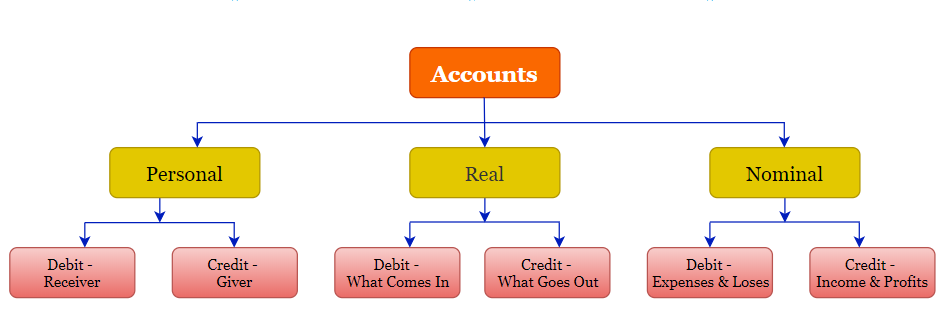
If you’ve ever stared at a balance sheet and wondered why some accounts behave differently than others — you’re not alone. Understanding the three types of accounts in accounting is one of the most foundational things you can learn, and honestly, once it clicks, everything else in bookkeeping starts to make sence.
Accounting is often called the “language of business,” and like any language, it has rules. One of the most important set of rules revolves around how we classifie accounts. Every financial transaction in a business affects at least two accounts, and knowing what type each account is helps us apply the correct accounting treatment. In this article, we’ll break down the three major types of accounts — Real, Personal, and Nominal — along with their golden rules, examples, and why they matter in day-to-day accounting.
Why Do We Classify Accounts?
Before we dive into the types, it’s worth understanding why we classify accounts in the first place. In double-entry bookkeeping, every debit must have a corresponding credit. But how do you know which side of the ledger an entry goes on? That’s were account classification comes in.
By grouping accounts into categories, accountants can apply consistent rules — known as the “Golden Rules of Accounting” — to determine whether an account should be debited or credited in any given transaction. These rules simplify complex financial decisions and ensure accuracy in financial reporting.
1. Real Accounts
What is a Real Account?
Real accounts are accounts that are related to assets — things that a business owns or posess. These accounts are tangible or intangible in nature, but they are always tied to something of value that belongs to the organization. The key characteristic of real accounts is that they do not close at the end of a financial year. Their balances carry forward from one accounting period to the next.
Think of real accounts as “permanent” accounts. Whether we’re talking about the land a company owns, the cash in its safe, or even patents and goodwill, all of these fall under real accounts.
Examples of Real Accounts
Cash Account, Bank Account, Land & Building, Machinery, Furniture, Stock/Inventory, Investments, Patents, Goodwill
Golden Rule: Debit what comes in, Credit what goes out.
When an asset enters the business, debit it. When it leaves, credit it.
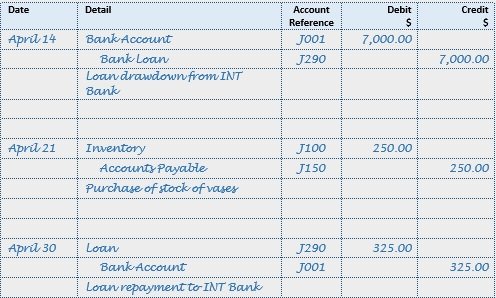
For example, if a company purchases a machine for $10,000 in cash, the Machinery Account (a real account) is debited because an asset is coming in, and the Cash Account is credited because cash is going out. Simple, right?
2. Personal Accounts
Personal accounts are accounts that relate to individuals, firms, companies, or institutions. Basically, anytime you’re dealing with a person or an entity — whether its a customer, supplier, bank, or even the owner of the business — you’re dealing with a personal account.
Personal accounts are further divided into three sub-types: Natural Personal Accounts (real human beings like customers and suppliers), Artificial Personal Accounts (legal entities like companies, banks, and NGOs), and Representative Personal Accounts (accounts that represent a group of persons, like Outstanding Salaries or Prepaid Rent).
Examples of Personal Accounts
Debtors, Creditors, Bank Account (in relation to people), Capital Account, Drawings Account, Outstanding Expenses, Prepaid Income
Golden Rule: Debit the receiver, Credit the giver.
Whoever receives value is debited; whoever gives value is credited.
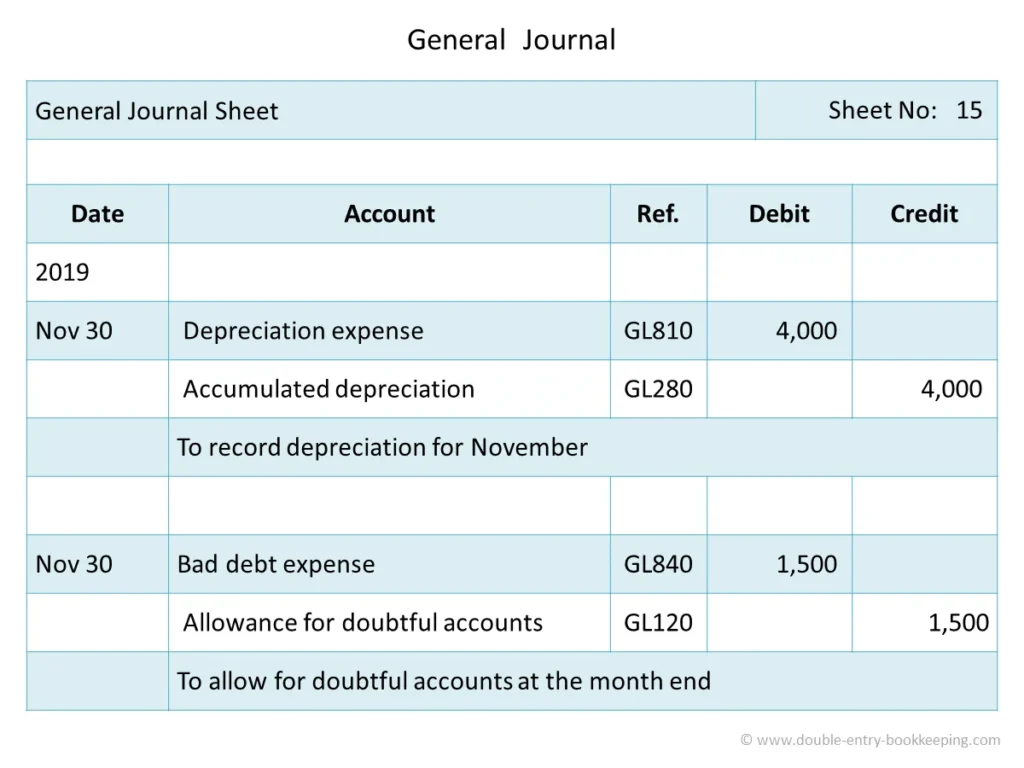
If you pay salary to an employee, the employee is the receiver — so their account (or the Salaries Account) is debited. The Cash Account is credited becuase the business is giving out cashh. That rule makes it very intuitive once you get the hang of itt.
3. Nominal Accounts
What is a Nominal Account?
Nominal accounts are accounts related to expenses, losses, incomes, and gains. Unlike real accounts, nominal accounts are “temporary” accounts — they are closed at the end of every financial year, and their balances are transfered to the Profit & Loss Account. They do not carry forward to the next period.
he word “nominal” comes from the Latin word for “name,” and these accounts exist only for the duration of an accounting period to track how much a business earned or spent. At the end of the year, they reset to zero — kind of like a fresh start.
Examples of Nominal Accounts
Sales Account, Purchases Account, Rent Expense, Salary Expense, Interest Income, Commission Received, Depreciation, Advertisement Expense, Discount Allowed
Golden Rule: Debit all expenses and losses, Credit all incomes and gains.
Any money spent or lost is a debit; any money earned or gained is a credit.

For instance, when a business pays rent fore its office, the Rent Account (nominal) is debited as it is an expense. When the business earns intereste from the bank, the Interest Received Account is credited as it is an income. This keeps the profit and loss tracking clear and organizede.
Real-World Application: A Simple Example
Let’s say a business buys goods worth $5,000 on credit from a supplier named Ali. Here’s how all three account types come into plays:
The Purchases Account (Nominal) is debited — it’s an expense. The Ali’s Account (Personal) is credited — he is the giver of gooods. Now, if the business later sells those goods for $8,000 cash, the Cash Account (Real) is debited because cash comes in, and the Sales Account (Nominal) is credited as it is income. This single business cycle touchs all three types of accounts — which shows just how interconnected and important this classification sytem truly is.
Why This Matters for Modern Accounting Software
You might wonder —new and in the age of QuickBooks and Tally, do we still need to know this? Absolutley yes. Accounting software is built on these very foundations. When you set up a Chart of Accounts in any software, you are essentially classifying accounts into real, personal, and nominal categories (though software might label them differently as assets, liabilities, equity, income, and expenses). new 2026
Understanding the underlying logic helps you catch errors, set up accounts correctly, and make smarter financial decisions. It also helps you read and interpret financial statements with confidence, rather than just relying on numbers someone else produced for you.

Final Thoughts
The classification of accounts into Real, Personal, and Nominal is more than just an academic exercise — it is the backbone of double-entery bookkeeping and financial reporting. Real accounts track what you own. Personal accounts track whho you deal with. And nominal accounts track your performance over time.
Once you internalize the three golden rules and understand how each type of account works, recording transactions becomes seconde nature. Whether you’re a student preparing for exams or a small business owner trying to manage your books, mastering these concepts will save you a lot of confusion and costly mistakes downe the road.
“”Accounting isn’t about numbers — it’s about telling the financial story of a business, accurately and honestly.””
Pingback: New Debit vs Credit Rules 2026 Explained - expetriate.com