
If you have already learned about journal entries, then the next step in your accounting journey is understanding the ledger account. In fact, the ledger is where all your journal entries finally come together and start making real sense. Without a proper ledger, it becomes almost impossible to prepare any kind of financial statement — and that is why this topic is so important for every accounting student and small business owner.
A ledger account is one of those foundational topics that most beginers either rush through or completly misunderstand. However, once you get a good grip on what a ledger is and how it works, keeping accurate financial records becomes a much smoother process. In this article, therefore, we will cover the definition of a ledger account, its format, types, and plenty of step by step examples to make everything crystal clear.
What Is a Ledger Account?
A ledger account is a summarized record of all transactions related to a particular account. In other words, after you record a transaction in the journal, you then transfer or “post” it to the relevant ledger account. For example, if cash is involved in ten different transactions during the month, all of those entries are eventually posted to the Cash Ledger Account so you can see the complete picture in one place.
Furthermore, a ledger is often referred to as the “Principal Book of Accounts” or the “Book of Final Entry” — because it is here that all transactions are permanently classified and stored. The collection of all ledger accounts together is called the General Ledger, which serves as the central database of a company’s entire financial history.

What Is a Ledger Account in Accounting
Journal vs Ledger — What Is the Difference?
A lot of beginers confuse the journal and the ledger, so let’s clear this up once and for all. Although both are essential books of accounting, they serve very different purposes. The journal records transactions in chronological order — meaning in the order they happen. The ledger, on the other hand, organizes those same transactions by account type.
| Feature | Journal | Ledger |
|---|---|---|
| Also Called | Book of Original Entry | Book of Final Entry |
| Order | Chronological | Account-wise |
| Format | Debit/Credit in one place | T-Account format |
| Purpose | Record transactions | Classify transactions |
| Prepared | First | After journal |
Format of a Ledger Account
The standard format of a ledger account is called the T-Account format — because it looks like the letter “T.” As a result, it is one of the easiest formats to understand and use. The left side of the T is called the Debit side, and the right side is called the Credit side. Each side has four columns: Date, Particulars, Journal Folio (J.F.), and Amount.
Standard T-Account Layout
[ Account Name ]
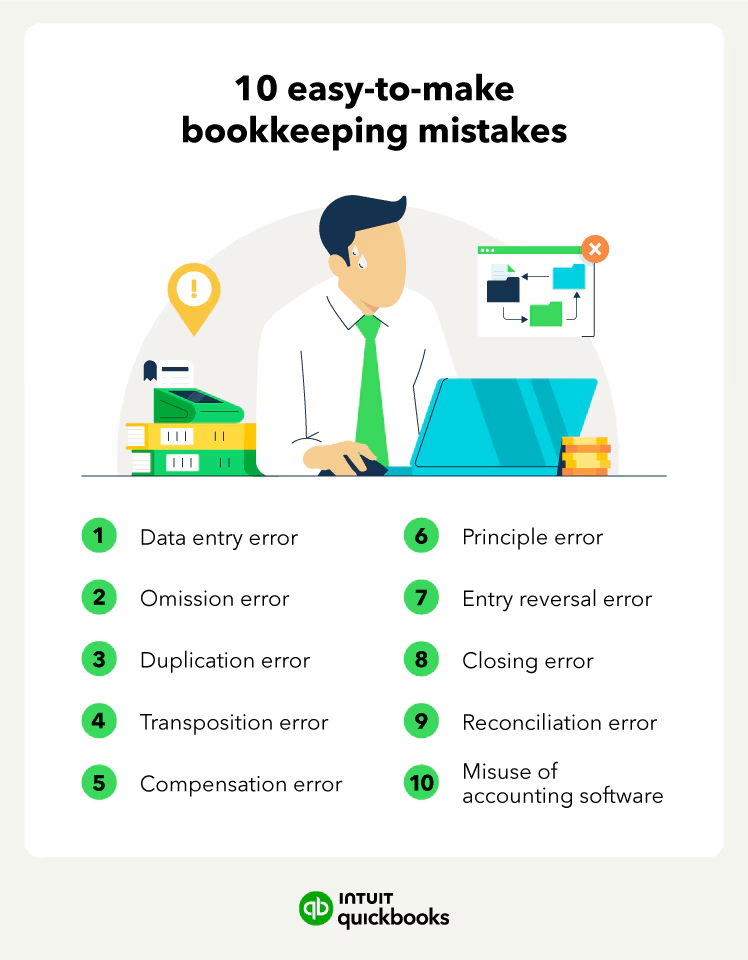
Standard T-Account Format of a Ledger
Types of Ledger Accounts
Just as there are different types of accounts in accounting, there are also different types of ledger accounts. Moreover, each type serves a specific purpose in the overall accounting system. Understanding these types will help you decide which ledger account a particular transaction should be posted to.
Main Types of Ledger Accounts
Real Account Ledger
Related to assets — both tangible and intangible. These accounts never close at year end. For instance, Cash Ledger, Machinery Ledger, and Buildings Ledger all fall under this category.
Personal Account Ledger
Related to persons, companies, or institutions. As a result, accounts like Debtors Ledger, Creditors Ledger, and Bank Ledger are all examples of personal account ledgers.
Nominal Account Ledger
Related to expenses, incomes, losses, and gains. Furthermore, these accounts are temporary and are closed at the end of each financial year. Examples include Rent Ledger, Sales Ledger, and Salary Ledger.
General Ledger
This is the master collection of all ledger accounts in a business. In other words, it contains every single account — real, personal, and nominal — in one place and serves as the main reference for preparing financial statements.

Types of Ledger Accounts in Accounting
How to Post Journal Entries to Ledger — Step by Step
Now that we understand what a ledger is, let’s look at how to actually post journal entries into it. This process is called “posting,” and it is a very straightforward task once you understand the flow. Follow these steps carefully and you’ll be able to post any journal entry to the ledger with confidence.
Step by Step Posting Process
Open the relevant ledger account — First, identify which accounts are affected by the journal entry and open a ledger page for each one.
Post the debited account — Write the date and in the “Particulars” column write the name of the account that was credited. Then enter the amount on the debit side.
Post the credited account — Similarly, in the credited account’s ledger, write the name of the debited account in “Particulars” and enter the amount on the credit side.
Balance the ledger account — After all postings are done, add both sides and find the difference. The larger side is the closing balance, which is carried down (c/d) to the next period.
Ledger Account Examples — Step by Step
Let’s now look at a practical example so you can see exactly how ledger posting works in a real business situation. Suppose a business records the following transactions during January 2026. Subsequently, we will post all of them to their respective ledger accounts.
Transactions for January 2026
Jan 1 — Started business with $40,000 cash
Jan 5 — Purchased goods for $8,000 cash
Jan 10 — Sold goods for $15,000 cash
Jan 15 — Paid rent $2,000 cash
Jan 20 — Paid salaries $3,500 cash
Cash Ledger Account
Closing Balance (Dr.): $55,000 − $13,500 = $41,500

Cash Ledger Account — Posting Example
Importance of Ledger Accounts in Business
The ledger account is not just a formality — it is actualy the backbone of an entire accounting system. Without properly maintained ledger accounts, a business cannot prepare its Trial Balance, Profit and Loss Account, or Balance Sheet. Moreover, the ledger helps business owners track how much they owe and how much is owed to them at any given point in time.
Key Benefits of Maintaining a Ledger
1. Easy to Track Balances: Since all transactions related to one account are in one place, it becomes very easy to check the current balance of any account at any time. For instance, you can instantly see how much cash you have or how much a particular customer owes you.
2. Helps Detect Errors: Furthermore, the ledger makes it easier to spot mistakes. If your total debits don’t match your total credits after posting, you know somthing has gone wrong and can investigate immediately.
3. Foundation for Financial Statements: As a result of maintaining accurate ledger accounts, preparing the Trial Balance and final accounts becomes straightforward. In fact, without the ledger, you simply cannot prepare any meaningful financial statement.
4. Legal and Tax Compliance: Moreover, government authorities and tax departments often require businesses to maintain proper books of accounts. A well-maintained ledger therefore protects you legally and makes tax filing a much less stressfull experience.
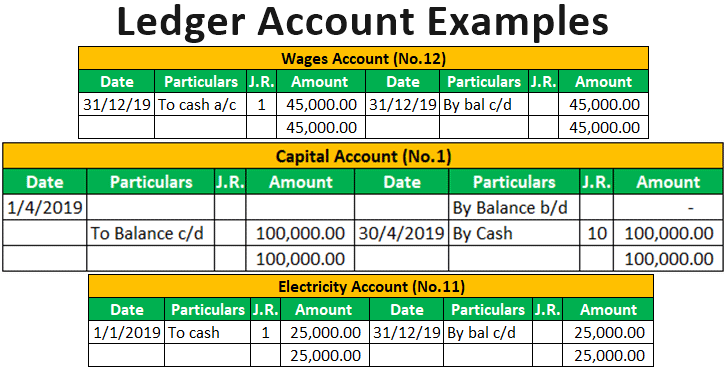
General Ledger — Foundation of All Financial Statements
Common Mistakes to Avoid While Posting to Ledger
Mistake 1 — Posting to the Wrong Side: This is the most freqeunt error beginners make. Always remember — whatever is debited in the journal goes to the debit side of its ledger account, and whatever is credited goes to the credit side. Mixing these up will completely distort your account balances.
Mistake 2 — Writing the Wrong Particulars: In the ledger, the “Particulars” column should contain the name of the opposite account — not the same account. For example, in the Cash Ledger on the debit side, the particulars should say “Capital A/c” — not “Cash A/c.” However, many beginers get confused and write the same account name, which makes the ledger meaningless.
Mistake 3 — Forgetting to Balance the Account: At the end of the period, every ledger account must be balanced. This means adding both sides and finding the difference. Consequently, if you skip this step, you won’t be able to prepare an accurate Trial Balance.
Mistake 4 — Missing Transactions: Sometimes a transaction is recorded in the journal but accidentaly not posted to the ledger. Therefore, always cross-check your journal entries against the ledger periodically to make sure everything has been properly transfered.
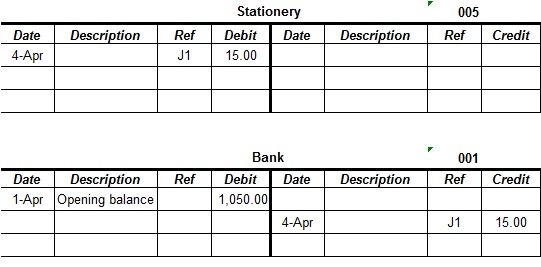
Common Mistakes in Ledger Account Posting
NEW JOBS IN KSA
Quick Recap — Ledger Account Rules
Dr. = Left side
Cr. = Right side
Opposite account in Particulars
Balance c/d at year end
Both sides must tally
Final Thoughts
The ledger account is, without a doubt, one of the most important tools in all of accounting. As we have seen, it takes the raw data from the journal and transforms it into organized, account-wise information that you can actually use to make financial decisions. Furthermore, without a properly maintained ledger, none of the higher-level accounting processes — like preparing a Trial Balance or a Balance Sheet — would be possible.
Therefore, whether you are a student preparing for exams or a business owner trying to understand your financials — make sure you get comfortable with ledger accounts. Practice posting a few transactions on your own, balance the accounts, and you will quickly realize how logical and satisfying the whole process actualy is.
A well-maintained ledger is the mirror that reflects the true financial health of your business.
Pingback: Why Is Accounting Important in Business? 10 Key Reasons (2026) - expetriate.com