
Every successful business in the world — from a small tea stall in Karachi to a Fortune 500 company in New York — has one thing in common: they all take accounting seriously. In fact, according to a 2026 report by the International Federation of Accountants (IFAC), businesses with structured accounting systems identify financial risks up to 40% earlier than those without. Yet surprisingly, many small business owners still treat accounting as an afterthought. That, honestly, is one of the costliest mistakes you can make.
The importance of accounting in business goes far beyond just keeping records or filing tax returns. Furthermore, accounting is the very foundation on which every smart financial decision is built. In this complete 2026 guide, therefore, we will explore what accounting really means for your business, the 10 key reasons why it matters, and what the latest accounting trends mean for you — whether you’re a student, a startup founder, or an established business owner.
Why Accounting Is the Backbone of Every Successful Business
What Is Accounting and Why Does It Matter in 2026?
Accounting is the systematic process of recording, analyzing, summarizing, and reporting all financial transactions of a business. In other words, it is the language through which a business communicates its financial story — to its owners, investors, lenders, and the government. As accounting expert Ken Christiansen of augeoBPM noted in 2026, the role of accounting has evolved from simply generating reports to actively interpreting them and guiding business strategy.
Moreover, in 2026, accounting is no longer just about manual bookkeeping. As a result of rapid technological advancements, AI-powered tools now handle routine tasks like bank reconciliations, invoice processing, and anomaly detection. However, the core importance of accounting — tracking where money comes from and where it goes — remains as critical as ever for any business that wants to survive and grow.
10 Key Reasons Why Accounting Is Important in Business
The importance of accounting in business cannot be overstated. Whether you run a one-person freelance operation or a company with hundreds of employees, these ten reasons explain exactly why proper accounting is non-negotiable for your financial success.
1. Accurate Financial Record Keeping
Accurate financial records are the foundation of every healthy business. Without them, you simply cannot know how much money your business has earned, how much it has spent, or what it currently owes. Furthermore, the law in most countries requires businesses to maintain proper financial records — and failing to do so can result in hefty fines, legal penaltyes, or even criminal charges. Good accounting ensures your records are always accurate, up to date, and audit-ready.
2. Helps in Business Decision Making
Every major business decision — whether to hire new staff, launch a product, expand to a new location, or cut costs — should be backed by financial data. Accounting provides exactly that. As a result, business owners who maintain proper accounts can make informed decisions with confidence rather than relying on guesswork. In contrast, businesses without proper accounting often make decisions based on incomplete or inacurate information, which frequently leads to costly mistakes.
3. Tax Compliance and Planning
Tax compliance is one of the most critical functions of accounting in business. Through proper tax accounting, businesses can calculate exactly how much tax they owe, identify legal deductions to minimize their tax liability, and file accurate returns on time. Moreover, businesses with clean accounting records are far better prepared to handle a tax audit without panic. In 2026, with tax laws becoming more complex and digital tax reporting requirements expanding globaly, proper accounting is more important than ever.
4. Cash Flow Management
Cash flow problems are one of the leading causes of small business failure worldwide. In fact, many profitable businesses have shut down simply because they ran out of cash at the wrong time. Accounting helps you track the inflow and outflow of cash in real time, so you always know how much liquidity you have available. Furthermore, by reviewing your cash flow statement regularly, you can anticipate shortfalls before they become crises and take corrective action early enough to make a real diference.
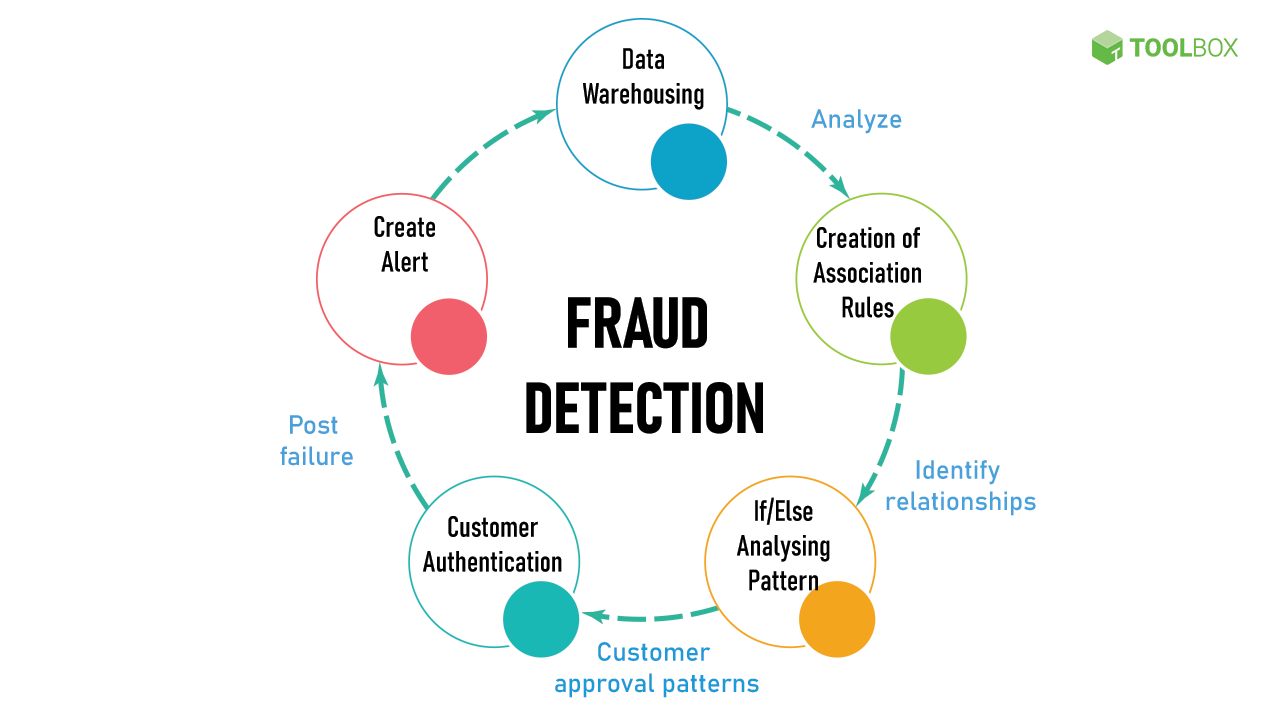
5. Fraud Detection and Prevention
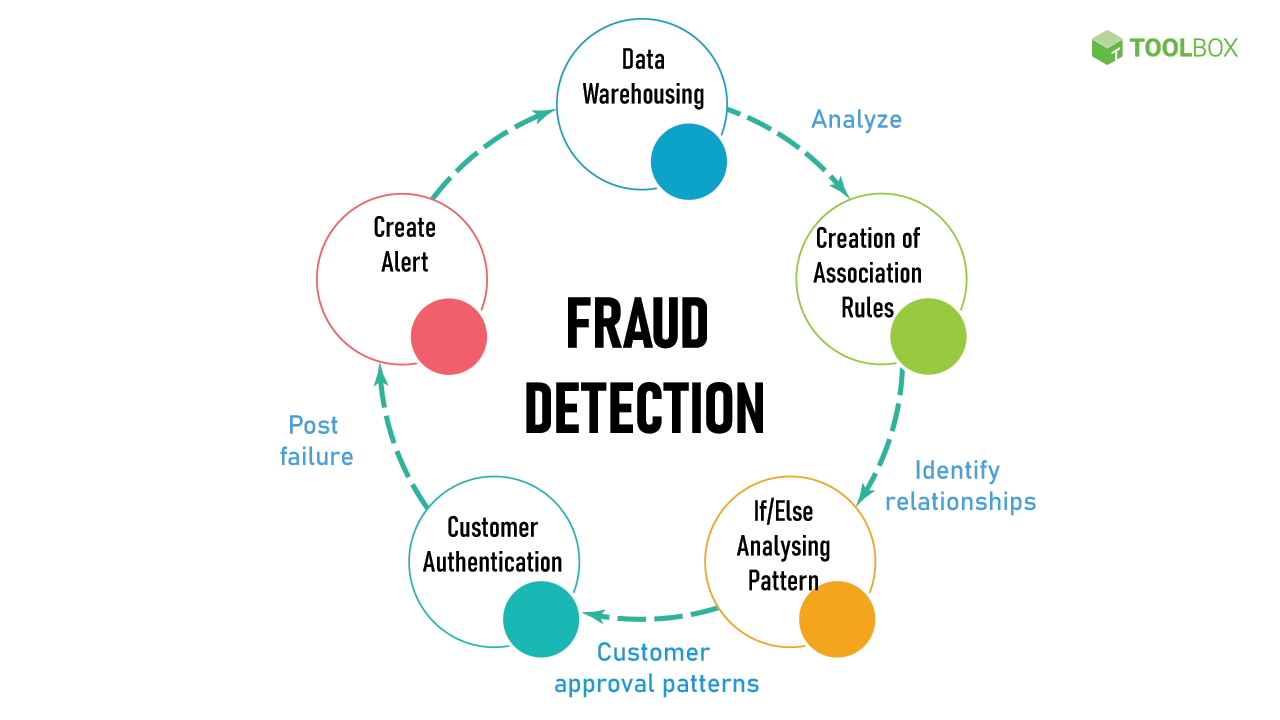
Proper accounting is one of the most powerful tools for detecting and preventing internal fraud. When every transaction is recorded systematically, any irregularity — whether it’s a missing payment, a duplicate invoice, or an unauthorized withdrawal — becomes visible much sooner. According to Trustpair’s 2026 Fraud Report, Business Email Compromise attacks alone resulted in an estimated loss of $2.4 billion in the US, making robust accounting internal controls absolutly essential for every business.
How Accounting Helps Detect and Prevent Business Fraud
6. Budgeting and Financial Planning
A business without a budget is like a ship without a compass — it has no clear direction. Accounting makes effective budgeting possible by providing historical financial data that helps you predict future revenues and expenses with reasonable accuracy. Moreover, a well-prepared budget allows business owners to allocate resources wisely, avoid overspending, and set realistic financial goals. As a result, businesses that budget regularly tend to be significantly more profitible than those that don’t.
7. Investor and Lender Confidence
If you ever want to raise investment or apply for a business loan, accurate and transparent accounting records are absolutly essential. Banks, investors, and lenders all rely on financial statements — the balance sheet, income statement, and cash flow statement — to evaluate whether your business is creditworthy and worth investing in. Furthermore, businesses with professionally maintained accounting records are more likely to secure better loan terms and attract serious investors than those with disorganized or incomplete books.
8. Business Performance Evaluation
How do you know if your business is actually improving over time? The answer lies in your accounting records. By comparing financial statements from different periods — monthly, quarterly, or annually — you can clearly see trends in revenue, expenses, and profitability. Moreover, Key Performance Indicators (KPIs) derived from accounting data allow you to benchmark your business against competitors and identify areas where you need to improve. Consequently, accounting transforms raw numbers into actionable business intelligence.
9. Legal and Regulatory Compliance
Every country has laws that require businesses to maintain proper financial records and submit accurate reports to government authorities. In addition, publicly listed companies must file financial statements with stock exchanges and meet strict reporting standards such as GAAP or IFRS. Failure to comply with these regulations can result in severe penaltyes, legal action, or even the forced closure of your business. Therefore, maintaining proper accounting is not just good practice — it is a legal obligation that every business owner must take seriously.
10. Strategic Business Growth
Ultimately, the importance of accounting in business is most visible when it comes to long-term growth. Solid accounting practices help a company accurately forecast the future by analyzing current trends and assessing historical data. Furthermore, when you understand your profit margins, cost structures, and revenue streams deeply, you can make strategic decisions about expansion, new product lines, and market entry with much greater confidence. As a result, businesses with strong accounting foundations grow faster and more sustainably than those without.
How Accounting Supports Strategic Business Growth
Why Is Accounting Important for Small Businesses?
The importance of accounting in business is arguably even greater for small businesses than for large corporations. This is because small businesses typically operate with tighter margins, limited cash reserves, and fewer resources to recover from financial mistakes. According to data from the U.S. Bureau of Labor Statistics, nearly 20% of small businesses fail within their first year — and a significant portion of those failures are directly linked to poor financial management and inaccurate record keeping.
Key Benefits of Accounting for Small Business Owners
✅ Know exactly how much profit or loss your business is making every month
✅ Stay on top of who owes you money and who you owe money to
✅ File accurate tax returns and avoid IRS penalties or audits
✅ Build a track record that makes it easier to get business loans
✅ Detect and stop employee theft or fraud before it spirals out of control
✅ Make confident pricing, hiring, and expansion decisions backed by real data
How Does Accounting Help in Decision Making?
Accounting helps in decision making by providing reliable, data-driven financial information that business leaders can use to evaluate options and choose the best course of action. In other words, instead of making decisions based on gut feeling, accounting gives you the actual numbers — profit margins, expense breakdowns, revenue trends — that tell you what is really happening in your business.
THIS IS VISTING BEST FOR YOU
For example, suppose you want to hire two new employees. By looking at your income statement and cash flow projections, accounting can tell you whether your business currently generates enough revenue to cover the additional salary costs comfortably. Similarly, if you’re considering expanding to a new location, your balance sheet and profitability ratios will show whether you have the financial strength to support that growth. Moreover, management accounting specifically is designed to support these kinds of internal strategic decisions at every level of an organization.
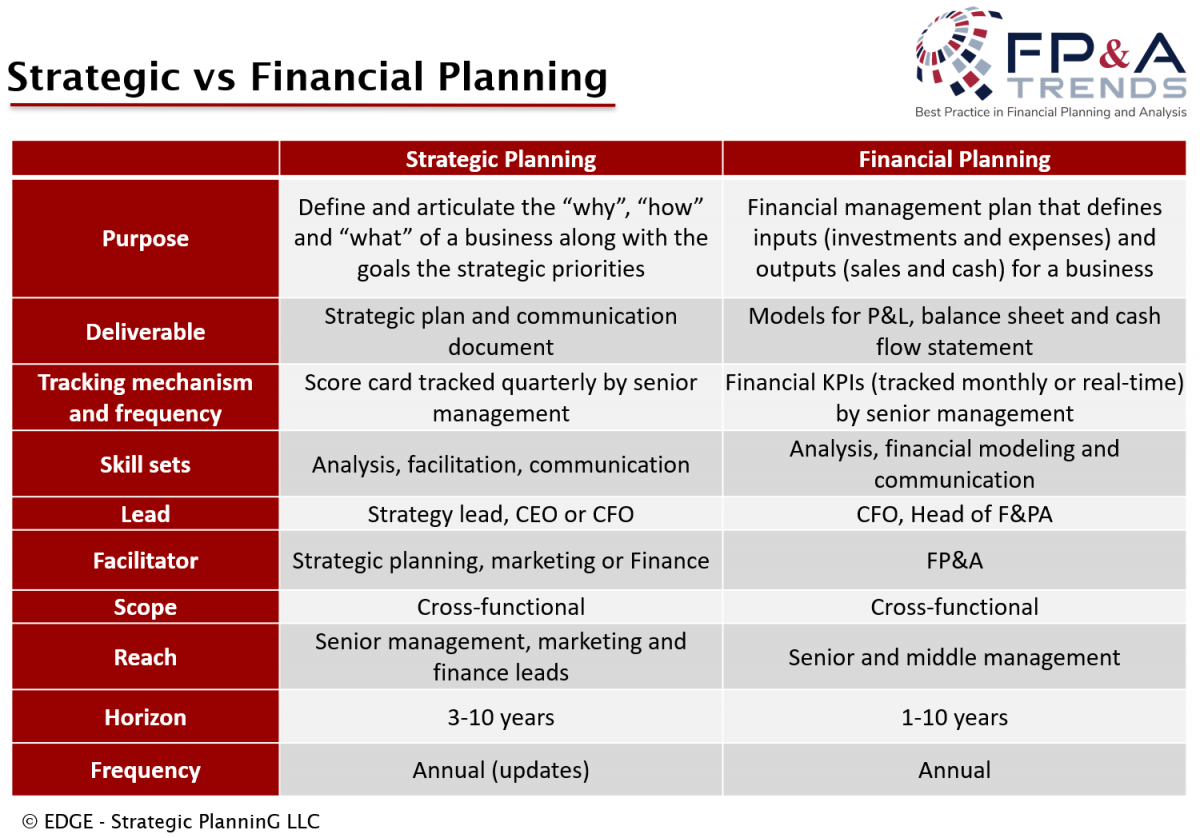
How Accounting Supports Better Business Decision Making
What Happens If a Business Doesn’t Have Accounting?
The consequences of running a business without proper accounting can be severe and far-reaching. First and foremost, without accurate records, a business has absolutely no reliable way to measure its financial performance or know whether it is actualy making a profit. Furthermore, without accounting, tax filing becomes a nightmare — and inaccurate tax returns can trigger government audits, fines, or worse.
Additionally, businesses without proper accounting are far more vulnerable to internal fraud, as there is no systematic way to monitor transactions and catch irregularities. Investors and banks will also refuse to lend money or invest in a business that cannot produce proper financial statements. Consequently, the lack of accounting doesn’t just create administrative problems — it can completly destroy a business’s credibility, financial health, and future growth prospects.
Accounting Trends in 2026 Every Business Should Know
The accounting landscape in 2026 is changing rapidely. Understanding these trends will help you stay ahead of the curve and make the most of modern accounting tools and practices.
AI and Automation in Accounting
According to a Goldman Sachs survey, 68% of small businesses are already using AI in some form in 2026. Moreover, AI-powered accounting tools now automate routine tasks like data entry, bank reconciliation, invoice processing, and even fraud detection. As a result, accountants are spending less time on manual data entry and more time on strategic financial analysis and advisory work. Therefore, if you’re not yet using cloud-based accounting software with AI capabilities, you’re likely falling behind your competitors.
Real-Time Financial Reporting
Monthly reporting is no longer good enough in 2026. Businesses today expect real-time access to financial dashboards, performance metrics, and cash flow visibility. Furthermore, cloud accounting platforms like QuickBooks, Xero, and Wave now allow business owners to see their financial position at any moment, from any device, anywhere in the world. Consequently, decisions that once took weeks of number-crunching can now be made in minutes with real-time accounting data.
ESG and Sustainability Reporting
Environmental, Social, and Governance (ESG) reporting has gained major prominence in 2026. Many businesses are now required to disclose their ESG initiatives alongside their financial statements. As a result, accounting teams are increasingly responsible for collecting, analyzing, and reporting non-financial data that reflects a company’s social and environmental impact. This trend represents a significant expansion of the traditional role of accounting in business.
THIS IS VISTING BEST FOR YOU
Top Accounting Trends Shaping Business Finance in 2026
Quick Recap — Importance of Accounting in Business
Tax Compliance
Cash Flow Management
Fraud Prevention
Business Growth
Investor Confidence
Decision Making
Legal Compliance
Final Thoughts
The importance of accounting in business is clear — it is not just a legal requirement or an administrative chore. Rather, it is the most powerfull tool available to any business owner who wants to make smarter decisions, grow their business sustainably, and protect their financial future. From tracking daily transactions to enabling long-term strategic planning, accounting touches every single aspect of how a business operates.
Furthermore, in 2026, with AI transforming accounting processes and real-time reporting becoming the new standard, the role of accounting in business is more exciting and more impactful than ever before. Therefore, whether you are just starting your business journey or looking to take your existing business to the next level — invest in proper accounting from day one. It will be one of the best decisions you ever make.
Accounting is not just the language of business — it is the compass that keeps every business on the right path.