
Accounting Basics · 2026 Edition
Common Accounting Mistakes Beginners Make
10 costly errors new accountants and small business owners keep repeating — and exactly how to avoid each one.
📋 Key Takeaways
- Accounting errors and manual reporting mistakes cost U.S. businesses an estimated $7.8 billion every year
- Most beginner mistakes fall into just three buckets — recording errors, classification errors, and timing errors
- Mixing personal and business finances is one of the most common and most damaging beginner habits
- Even huge institutions like Bank of America have made multi-billion dollar accounting errors — beginners are not alone
- Most mistakes on this list are completely preventable with simple habits and the right tools
Nobody starts out knowing accounting perfectly — and honestly, that’s fine. The real danger isn’t making a mistake, its repeating the same mistake for months without realising it, until it snowballs into something far more expensive to fix.
According to Brex’s 2026 finance report, accounting errors and manual financial reporting mistakes cost U.S. businesses around $7.8 billion every single year. Even Bank of America once reported it had $4 billion more in capital than it actually held, purely due to an accounting error — so if you’re a beginner making mistakes, you’re in surprisingly large company.
The good news is that almost every beginner mistake follows a predictable pattern. In this guide, we’ll walk through the 10 most common accounting mistakes beginners make, why they happen, and exactly how to fix or avoid each one.

Why Beginners Make These Mistakes
Most beginner accounting mistakes don’t come from a lack of intelligence — they come from a lack of system. When you’re new to bookkeeping, its easy to assume that “close enough” is good enough, or that you’ll fix things “later” once you have more time. Unfortunately, later usually means tax season, audit time, or the exact moment you need clean books the most.
As QuickBooks explains, accounting errors can be a pain to identify and remedy if you don’t know exactly where to start looking. That’s precisely why recognising these patterns early — before they become habits — makes such a huge diference.
10 Common Accounting Mistakes Beginners Make
Here are the mistakes that show up again and again — in classrooms, in startups, and in small businesses everywhere. Each one is fixable once you know what to watch for.
Mixing Personal and Business Finances
This is probably the single most common mistake among beginners and new entrepreneurs. Using one bank account for both personal and business expenses makes it nearly impossible to track real profitability, and it turns tax season into a nightmare of sorting receipts.
Fix: Open a seperate business bank account and credit card on day one — before you record a single transaction.
Recognizing Revenue Too Early
According to Dr. Philip Greenwood, CPA, many beginners declare revenue the moment they make a sale, even if the work hasn’t been delivered or the cash hasn’t arrived yet. This makes the books look artificialy healthy in the short term, but it hides the true profitability of the business.
Fix: Record revenue when it’s actually earned — meaning the product or service has been delivered — not just when a deal is signed.
Inaccurate Data Entry
Brex calls this the single most common accounting error of all — entering an incorrect number, transposing digits, or recording a transaction under the wrong amount entirely. It sounds minor, but it compounds fast across hundreds of entries.
Fix: Double-check entries against source documents, and reconcile your books against bank statements every single month without exception.
Misclassifying Transactions
Posting a debit or credit to the wrong account — say, recording office supplies as equipment, or a loan repayment as an expense — quietly throws off your entire financial picture. According to accountant Pauline Ho, this is one of the most frequent issues she sees in small businesses.
Fix: Build a clear, consistent chart of accounts early, and stick to it for every transaction you record.
Forgetting to Record Small Transactions
Small purchases, missing receipts, and delayed data entry create gaps that seem harmless individually but add up fast. A $15 coffee receipt feels unimportent — until you have fifty of them missing at tax time.
Fix: Record every transaction the same day it happens, even the small ones. Use a receipt-scanning app if manual entry feels like too much friction.

Fig 2. The first five mistakes — recording, revenue, and data entry errors
Duplicate Payments and Vendor Entries
Duplication happens more often than beginners expect, especially with inefficient invoicing systems or vendors listed multiple times under slightly different names. This causes invoices to get paid twice, draining cash flow unecessarily and creating reconciliation headaches.
Fix: Maintain one clean vendor list, and always check for an existing invoice number before approving payment.
Underestimating Project Costs
According to ZarMoney, entrepreneurs often book profit on a deal before the work is even finished — imagine landing a $100,000 contract and booking $70,000 profit immediately, before accounting for the full $30,000 it will actually cost to deliver. If the project runs over budget, the business can suddenly find itself cash-strapped.
Fix: Estimate costs conservatively, add a buffer for overruns, and only recognise profit once the job is genuinely complete.
Relying Too Heavily on Spreadsheets
A 2026 guide on costly accounting errors notes that heavy reliance on spreadsheets and manual reconciliation creates a lack of audit trail, weak access control, and a much higher risk of formula errors that nobody notices until much later.
Fix: Use spreadsheets for quick analysis only — keep your official, permanent records inside a proper accounting system.
Confusing Profit With Cash in the Bank
A business can show a healthy profit on paper and still run dangerously low on cash. This happens because revenue is often recorded before the cash is actually collected. Beginners frequently treat their bank balance as the same thing as profit, which is simply not how accrual accounting works.
Fix: Always review your cash flow statement alongside your profit and loss statement — never one without the other.
Waiting Too Long to Ask for Help
Many beginners try to handle every aspect of accounting alone for far too long, assuming professional help is only for “real” businesses. By the time they finally bring in a bookkeeper or accountant, months of disorganized records have already piled up.
Fix: Knowing when to bring in professional guidance is just as importent as choosing the right accounting tools — don’t wait until tax season to ask for help.
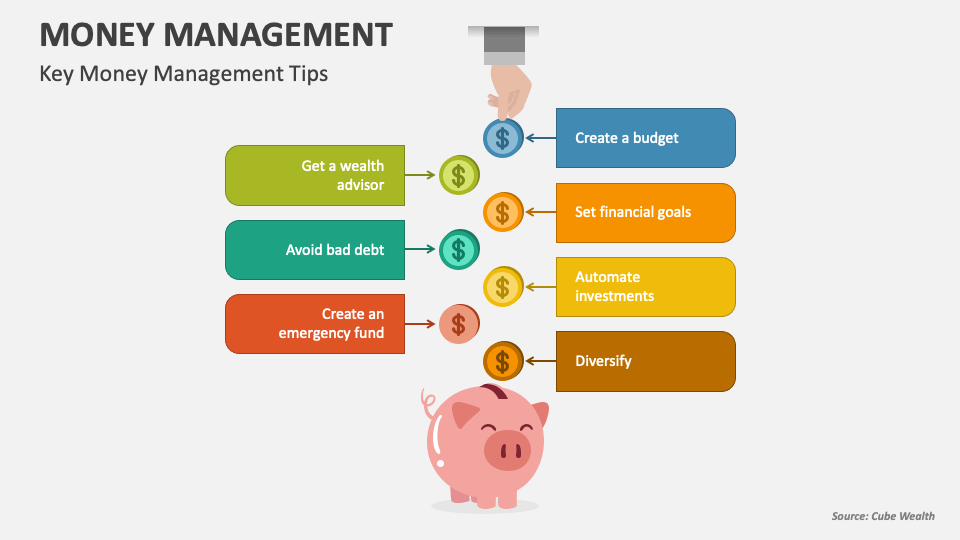
Fig 3. Mistakes 6 through 10 — duplicate payments, spreadsheets, and asking for help
Quick Reference — Mistakes and Fixes at a Glance
| Mistake | Quick Fix |
|---|---|
| Mixing personal & business funds | Open a seperate business account |
| Recognizing revenue too early | Record revenue only when earned |
| Inaccurate data entry | Reconcile monthly, double-check entries |
| Misclassifying transactions | Use a consistent chart of accounts |
| Forgetting small transactions | Record same-day, scan receipts |
| Duplicate payments | Maintain one clean vendor list |
| Underestimating project costs | Budget conservatively with a buffer |
| Over-relying on spreadsheets | Use proper accounting software |
| Confusing profit with cash | Always check the cash flow statement |
| Waiting too long for help | Bring in a bookkeeper early |

Fig 4. Keep this checklist handy when reviewing your own books
How to Build Good Accounting Habits From Day One
Strong financial habits aren’t just administrative busywork — they’re the actual foundation for sustainable growth. As highlighted in a 2026 startup financial management guide, adopting good accounting practices early means being proactive instead of reactive, which saves significant time, money, and stress later on.
Record transactions immediately
Don’t let receipts and invoices pile up — enter them the same day to avoid the “I’ll do it later” trap.
Reconcile every month, no exceptions
Compare your books against bank statements monthly — this is where most errors actually get caught.
Use real accounting software
Tools like QuickBooks or Xero automatically reduce many of the errors a spreadsheet allows to slip through.
Ask for help before it’s urgent
A few hours with an accountant early on can prevent months of cleanup work later.

Fig 5. Good habits built early prevent most of the mistakes covered in this guide
Frequently Asked Questions About Accounting Mistakes
This is for your information
Fig 6. Professional guidance early on prevents most costly mistakes down the road
Final Thoughts
Every single accountant, bookkeeper, and business owner alive today made these exact mistakes at some point. The diference between people who recover quickly and people who end up in real financial trouble usually comes down to one thing — how fast they recognise the pattern and fix it.
None of the ten mistakes covered in this guide require an accounting degree to avoid. They require a seperate bank account, a habit of recording transactions promptly, a real accounting system instead of a fragile spreadsheet, and the willingness to ask for help before things get messy.
If you’re just starting out, don’t aim for perfection — aim for consistency. Clean, consistent habits built today will save you hours of painful cleanup work and a significant amount of stress when tax season eventually arrives.
Want to learn more?
Build a Stronger Accounting Foundation
Avoiding mistakes is step one. Explore our other guides to master the balance sheet, P&L statement, and full accounting cycle.