
Accounts Payable Account Responsibilities
In every business, whether it is small shop or large company, purchasing goods and services is a normal part of operations. Most of the time, these purchases are not paid immediately, instead they are done on credit. This creates a liability which is known as accounts payable (AP).
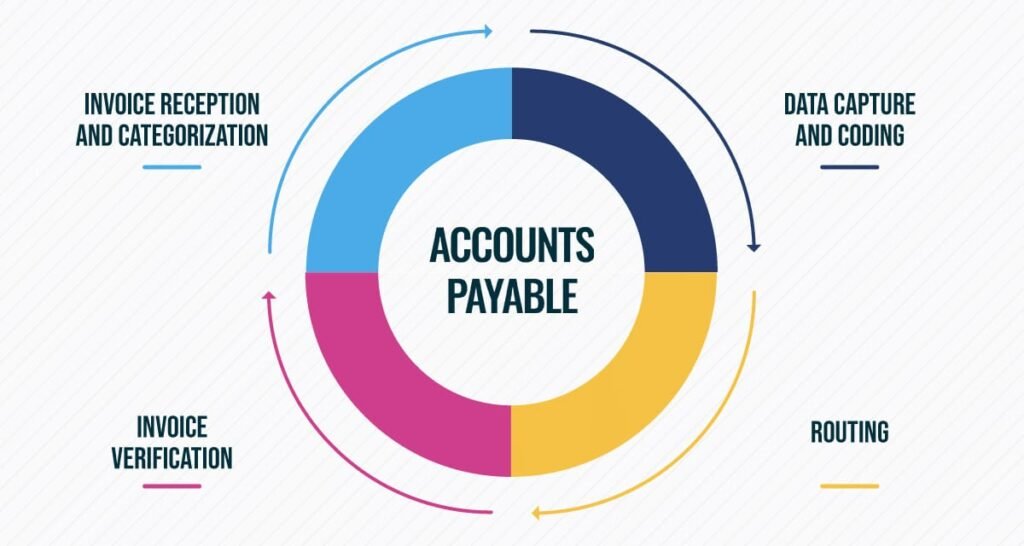
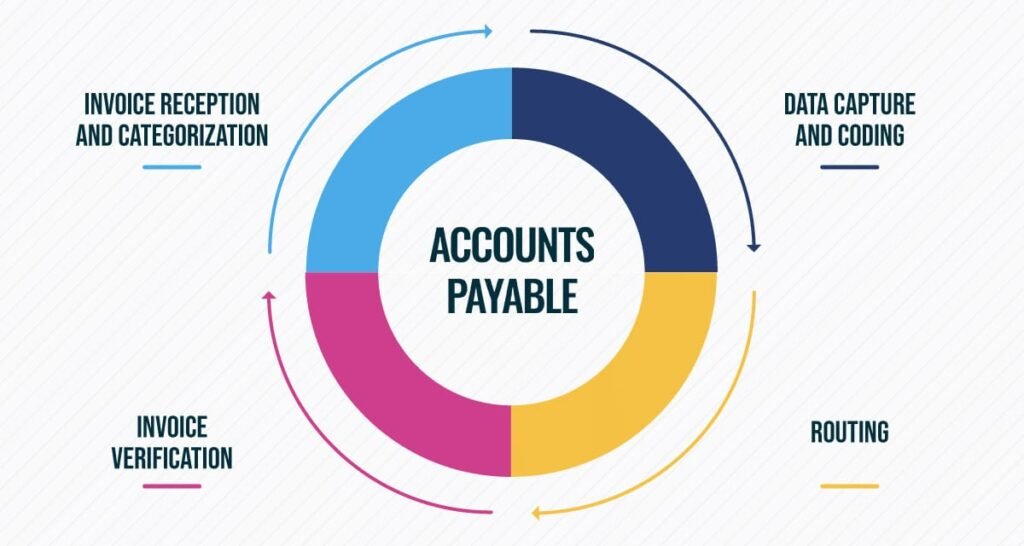
Many people think accounts payable is just about paying supplier invoices, but actually it is a full process that starts from receiving invoice and ends after payment and reconciliation. There are many steps involved and each step need proper attention, otherwise it can create financial problems.
Apply through email at the end of details
What is Accounts Payable?
Accounts payable is the amount a company owes to its vendors or suppliers for goods and services received but not yet paid. It is recorded under current liabilities in the balance sheet.
Proper management of AP is very important because it directly affects:
- Cash flow of the company
- Relationship with vendors
- Accuracy of financial statements
- Company reputation in market
If company delays payments too much, vendors may stop giving goods or remove credit facility. On the other side, if payments are made too early, company may face cash shortage. So balance is very important here.
1. Receiving and Collecting Invoices
The first responsibility of accounts payable starts with receiving invoices. Invoices can come through different channels such as:
- Email from vendor
- Physical invoice by courier or hand
- Upload in vendor portal
- Internal departments submitting bills
AP team must collect all invoices and make sure nothing is missed. Sometimes invoices get lost in email or departments delay sending them, so follow-up is required.
Also, basic checking is done at this stage like:
- Vendor name is correct
- Invoice date is mentioned
- Amount is clear
- PO number is available (if required)
If any detail is missing, AP team usually contact vendor or internal department. This step looks small but if not done properly it can create big issues later.
2. Invoice Sorting and Recording Register
After collecting invoices, they are usually sorted and recorded in a log or register. Some companies use manual register and some use system tracking.
This helps in:
- Keeping record of all received invoices
- Tracking pending and processed invoices
- Avoiding duplicate entries
Without proper tracking, it is very easy to miss invoice or process same invoice twice which is serious mistake.
3. Invoice Verification (Three-Way Matching)
One of the most important responsibilities is invoice verification. This is also known as 3-way matching process.
The AP team compares:
- Purchase Order (PO) – what was ordered
- Goods Received Note (GRN) – what was received
- Invoice – what vendor billed
If all three documents match, invoice is considered correct. If not, it goes on hold.
Common issues found during verification:
- Quantity mismatch
- Price difference
- Wrong item billed
- Missing GRN
In such cases, AP team must coordinate with store, purchase department or vendor to resolve the issue. Sometimes it takes time and patience.
4. Invoice Approval Process
After verification, invoice needs approval from authorized person. This is important for internal control.
Approval can depend on:
- Invoice amount
- Department
- Type of expense
For example, small expense may be approved by supervisor, while large payments require finance manager or director approval.
In many companies, delay in approval is common problem because managers are busy or not available. AP team need to follow up regularly which can be little frustrating sometimes.
5. Coding and Data Entry
Once invoice is approved, next step is coding and entering into accounting system. This is called invoice booking.
AP staff must assign correct:
- General Ledger (GL) account
- Cost center or department
- Project code (if applicable)
Then invoice details are entered in system like SAP, Oracle, QuickBooks or any ERP.
Accuracy is very important here. Even small mistake like wrong amount or wrong vendor can create issues in reports and payments. Sometimes errors are not noticed immediately and cause confusion later.
6. Maintaining Vendor Master Data
Accounts payable also responsible for managing vendor records. This is called vendor master data.
It includes:
- Vendor name and address
- Bank account details
- IBAN or SWIFT code
- Contact information
- Tax registration details
Before adding new vendor, proper verification is required to avoid fraud. If bank details are wrong, payment can go to wrong account and recovery becomes difficult.
Also, updates should be done carefully when vendor changes their details.
7. Payment Terms and Scheduling
After invoice is recorded, AP team decide when payment should be made. This depends on agreed payment terms such as:
- Net 30 days
- Net 60 days
- Advance payment
- Partial payment
AP team prepare payment schedule based on due dates and company cash position.
Important points to consider:
- Avoid late payment penalties
- Take advantage of early payment discounts
- Manage cash flow properly
Sometimes finance team delay payments intentionally to manage cash, but too much delay can damage vendor relationship.

8. Processing Payments
This is the step most people think is main job of AP, but actually it is just one part.
Payments can be made through:
- Bank transfer
- Cheques
- Online banking
- Cash (rare cases)
Before processing payment, AP team must check:
- Invoice is approved
- No duplicate payment
- Correct bank details
- Payment amount is correct
After payment is made, entry is recorded in system and invoice is marked as paid.
9. Handling Discrepancies and Dispute
In real life, many invoices have issues. It is normal part of process.
Common problems include:
- Wrong billing
- Damaged goods
- Short supply
- Overcharging
AP team must communicate with vendor and internal departments to solve these problems. Good communication skills are very important here.
Sometimes disputes take long time to resolve, and AP must keep proper record of all communication.
10. Vendor Reconciliation
Vendor reconciliation is another important responsibility. Vendors usually send statements monthly showing all transactions.
AP team compare vendor statement with company records to check:
- All invoices are recorded
- Payments are correctly posted
- No missing or duplicate entries
If any difference is found, it must be investigated and corrected.
Regular reconciliation helps to keep records accurate and avoid surprises later.
11. Preparing Reports
Accounts payable team prepare different reports for management such as:
- Aging report (shows unpaid invoices by days)
- Outstanding payable report
- Payment history report
- Vendor balance report
These reports help management in decision making and cash planning.
If reports are wrong, it can lead to wrong decisions which is risky for business.
12. Compliance and Documentation
AP must ensure all transactions follow company policies and legal requirements.
Important responsibilities include:
- Keeping proper invoice copies
- Maintaining approval records
- Following tax rules (VAT etc.)
- Keeping audit trail
In many companies, documentation is ignored but during audit it becomes very serious issue.
13. Supporting Audit Process
During internal or external audit, accounts payable team plays big role.
Auditors may ask for:
- Invoice copies
- Payment proofs
- Approval records
- Vendor details
AP team must provide all documents and explain process clearly. If records are not organized, it creates stress during audit time.
14. Preventing Fraud and Errors
AP department also helps in preventing fraud. Some common risks are:
- Fake invoices
- Duplicate payments
- Wrong vendor details
- Unauthorized approvals
To control this, companies use:
- Segregation of duties
- Approval limits
- System controls
AP staff must be careful and alert while processing transactions.
15. Process Improvement and Automation
Nowadays, accounts payable is becoming more advanced with technology.
Companies are using:
- Automated invoice scanning
- OCR systems
- ERP workflows
- Digital approvals
This helps in reducing manual work and errors. AP team also responsible for suggesting improvements in process.
Email : reception.ksa@nrtgroup.com
I have two years of experience as a restaurant manager in Bangladesh.
I am a general accountant
I ahve 4 years saudi experience with alwasail
Share your cv via mail our team will get back to u
Mohdorg098@gmail.com
Muhammed Salman
Valid diving license
Valid iqama
I am applting for Accountant position in uour esteemed organization.
I have 8 year of experience as a accountant
I have 4 years Experience as Accountant in a 4 Star Hotel
I’m a Payable Accountant could you be add me in your team
Best wishes
I have 4 year Experience as a Accountant in 4 star Hotels
I have done Bachelor in commerce and get computer diploma an information technology. Currently I am staying in Riyadh.
Dear Hiring Manager,
I am interested in applying for the Junior Accountant position. I have completed B.Com and have experience in accounting, storekeeping, Excel, Tally, and accounting software. I am hardworking, detail-oriented, and eager to contribute to your team.
Please find my application for your consideration. I would appreciate the opportunity for an interview.
Thank you.
Best regards,
Tarifur Rahman khan
Dear Hiring Manager,
I am interested in applying for the Junior Accountant position. I have currently Pursuing my Chartered Management Accounting and recently completed my PIPFA. I have great experience in General Ledger accounting, Bookkeeping, Excel, Microsoft Dynamics 365, SAP B1, and QuickBooks Desktop and Online. I have Expertise in Accounts Payable Accounts Receivable, Financial Reporting, Financial Statements, Ratio Analysis, Trend Analysis, Monthly, Quarterly and Annual Closing. I am hardworking, detail-oriented, and eager to contribute to your team.
Please find my application for your consideration. I would appreciate the opportunity for an interview.
Thank you.
Best regards,
Hammad Aftar
Dear Hiring Manager,
I have applied for Junior Accountant position with having 4 years of experience in Accounts and Finance Specially in Accounts Payable. I’m Chartered Management Accountant and PIPFA Qualified. I have expertise in Financial Statements Financial Ratios Management Accounting Financial Analysis budgeting and Forecasting ERP’s Accounts payable Accounts receivable Ratio analysis Ms Excel Sap B1, QuickBooks Desktop and Online bookkeeping. I am hardworking, detail-oriented, and eager to contribute to your team.
Please find my application for your consideration. I would appreciate the opportunity for an interview.
Thank you.
Best regards,
Hammad Aftar
Interested in the Accounts Officer position. I have experience in accounting, invoicing, and reconciliations.
Please contact: imranjamali174@gmail.com.
i have done MBA in Finance. and i have accounting experience. Expertise in excel, Tally and accounting software.
Hi,
I have sent mail regarding my experience and other details, but I am receiving a error message.
Delivery incomplete
There was a temporary problem while delivering your message to
reception.ksa@nrtgroup.com. Gmail will retry for 46 more hours. You’ll be
notified if the delivery fails permanently.
Please provide a correct mail ID
I am Mohsmmed Ziaullah. I have morethan 7 years as Accountant. I am interesting this position.
Dear Hiring Manager,
I hope you are doing well.
I am writing to express my interest in the Accountant / Senior Accountant position in your esteemed organization. I hold a Bachelor’s degree in Accounting & Finance (BBA Hons) and have more than 7 years of professional experience in accounting, financial reporting, taxation, inventory management, and cost estimation.
During my professional career, I have successfully managed complete accounting cycles including financial statement preparation, accounts payable and receivable management, bank reconciliation, payroll processing, VAT compliance, and stock management. I have also been responsible for preparing management reports, budget analysis, and maintaining accurate financial records to support effective decision-making.
I am currently based in Saudi Arabia and available for immediate joining on local transfer.
Please find my CV attached for your review. I would welcome the opportunity to discuss how my skills and experience can contribute to your organization.
Thank you for your time and consideration.
Kind regards,
Mohsin Ashraf
📞 +966 552752388
✉️ mohsinashraf582@gmail.com
Dedicated and detail-oriented BBA (Accounting & Finance) graduate with strong experience in accounts support, customer service, shop management, and daily office operations. Hands-on internship experience at Meezan Bank and 3 years of shopkeeper experience handling cash, customers, stock management, and sales operations. Skilled in MS Office, documentation, data entry, and administrative support. Fast learner with strong communication skills and a disciplined work approach. Seeking opportunities in Accounts, Admin, Sales, Customer Service, Office Assistant, or Store Operations across Gulf countries.
Dedicated and detail-oriented BBA (Accounting & Finance) graduate with strong experience in accounts support, customer service, shop management, and daily office operations. Hands-on internship experience at Meezan Bank and 3 years of shopkeeper experience handling cash, customers, stock management, and sales operations. Skilled in MS Office, documentation, data entry, and administrative support. Fast learner with strong communication skills and a disciplined work approach. Seeking opportunities in Accounts, Admin, Sales, Customer Service, Office Assistant, or Store Operations across Gulf countries.
Dear Sir/Madam, the email address you provided is not valid/could not be found. Kindly share the correct email address at your earliest convenience.
Dear Hiring Manager,
I have applied for Junior Accountant position with having 6 years of experience in Accounts and Finance Specially in Accounts Payable. I’m Graducation passed in B.com. I have expertise in Financial Statements Financial Ratios Management Accounting Financial Analysis budgeting and Forecasting ERP’s Accounts payable Accounts receivable Ratio analysis Ms Excel Sap B1, QuickBooks Desktop and Online bookkeeping. I am hardworking, detail-oriented, and eager to contribute to your team.
Please find my application for your consideration. I would appreciate the opportunity for an interview.
Thank you.
Best regards,
Mohammed Saif