
Complete Guide 2026
What is Management Accounting?
Definition, Types, Functions, and Why It Matters for Business Success
📅 Updated 2026
✅ Research-Based
🔑 Key Takeaways
- Management accounting is internal and forward-looking — unlike financial accounting which records past events
- It helps managers with planning, budgeting, cost control, and strategic decision-making
- Major types include cost accounting, budgetary control, marginal costing, and capital budgeting
- CMA-certified professionals earn 21% more than non-certified peers (IMA, 2024)
- It is used internally and does not follow GAAP or external reporting standards
Introduction
Every successful business, whether a small startup or a large corporation, relies on one critical function behind the scenes — management accounting. But what exactly is it, and why does it matter so much? In simple terms, management accounting is the process of providing financial and non-financial information to managers so they can make smarter, faster, and more informed decisions.
Unlike regular financial accounting — which focuses on external reporting and historical data — management accounting is internal and forward-looking. It answers questions like: Where are we spending too much? Should we launch this new product? How do we cut costs without hurting quality? Furthermore, it acts as a bridge between raw financial data and real business strategy.
According to Timothy Crawford, a senior financial analyst and MBA instructor, “Management accounting is internal and forward-looking, while financial accounting tends to be external and focuses on recording past events.” That distinction is everything. So let’s dive deep into what management accounting is, how it works, and why every business needs it.
Definition of Management Accounting
Management accounting — also known as managerial accounting — is the process of identifying, analyzing, interpreting, and communicating financial information to managers within an organization. The goal is simple: help internal decision-makers make better choices that align with the company’s goals.
What Makes It Different from Financial Accounting?
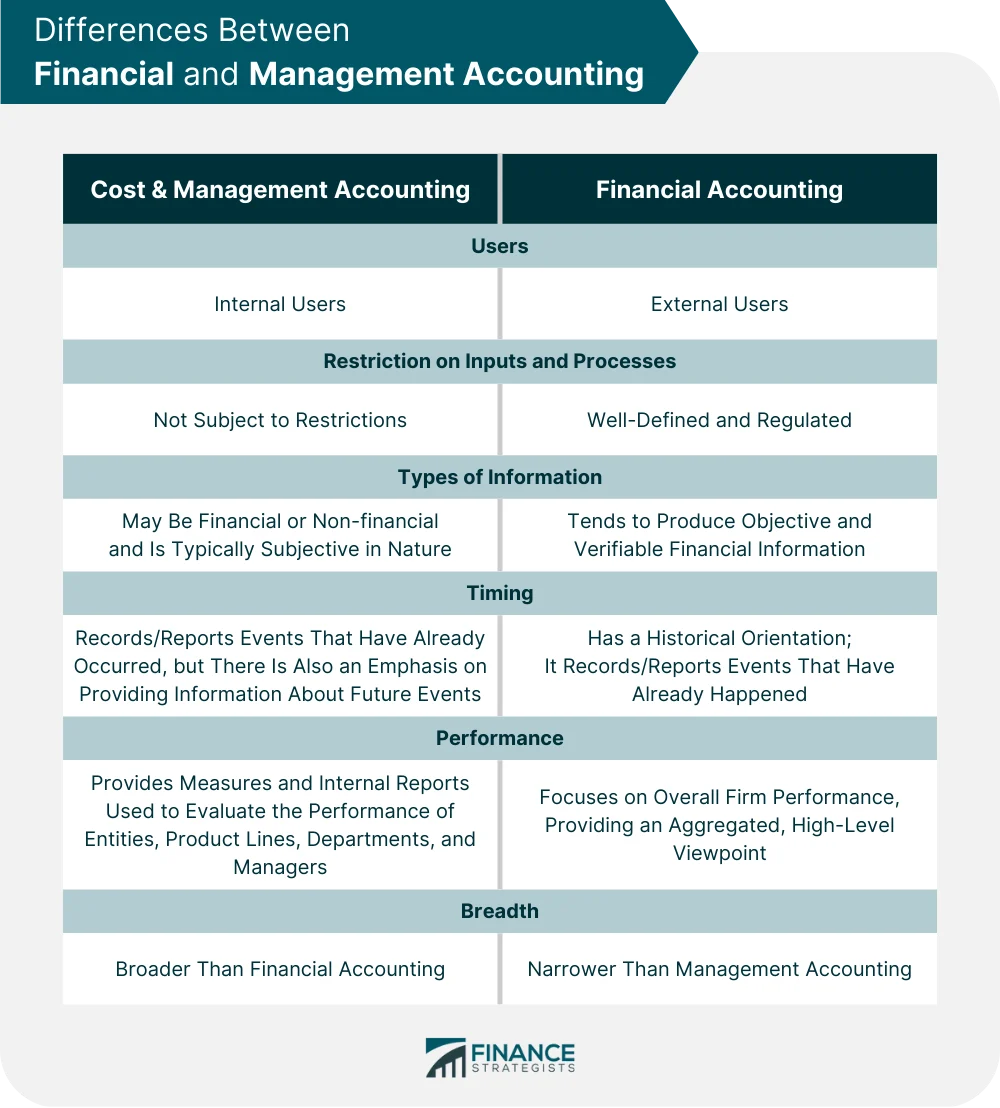
Many people confuse management accounting with financial accounting. However, they serve very different purposes. Financial accounting is primarily meant for external stakeholders — investors, regulators, banks — and follows strict standards like GAAP. Management accounting, on the other hand, is purely internal. It doesn’t follow fixed rules and can be customized entirely to meet a company’s specific needs.
| Feature | Management Accounting | Financial Accounting |
|---|---|---|
| Purpose | Internal decision-making | External reporting |
| Users | Managers, executives | Investors, banks, regulators |
| Time Focus | Future-oriented | Past/historical |
| Standards | No fixed rules (flexible) | Must follow GAAP/IFRS |
| Reports | Budgets, forecasts, variance reports | Income statement, balance sheet |
| Frequency | As needed (daily/weekly) | Quarterly/annually |
Types of Management Accounting
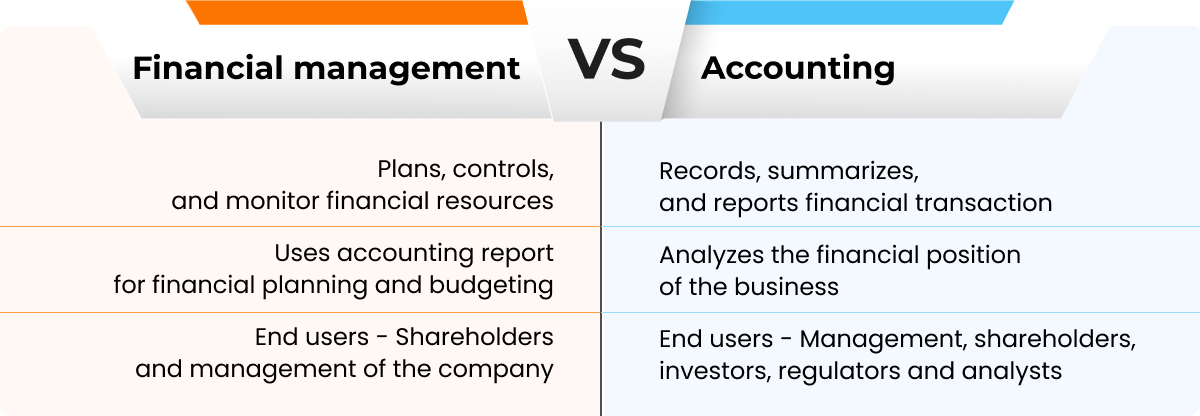
Management accounting is not a single tool — it’s a collection of techniques and methods that together help businesses operate more efficiently. Consequently, understanding each type is essential for anyone working in finance or business management.
📊 Cost Accounting
The foundation of management accounting. It classifies, records, and analyses all costs associated with production — helping businesses determine the true cost of goods and services.
📋 Budgetary Control
Involves creating budgets and then comparing actual performance against those budgets. It helps identify gaps and keep spending under control across all departments.
📉 Marginal Costing
Focuses on the cost of producing one additional unit. It is extremely useful for break-even analysis, pricing decisions, and understanding how production volume affects profits.
📐 Standard Costing
Sets predetermined cost benchmarks. Variance analysis then compares actual costs with these standards, helping management quickly spot inefficiencies and take corrective action.
🏗️ Capital Budgeting
Evaluates long-term investment decisions using methods like NPV (Net Present Value), IRR (Internal Rate of Return), and Payback Period to determine if a project is worth pursuing.
💵 Cash Flow Analysis
Monitors the movement of cash in and out of the business. Additionally, it helps ensure the company always has enough liquidity to meet short-term obligations and avoid financial crises.
Key Functions of Management Accounting
Management accounting performs several core functions that are essential to how a business operates day-to-day. Moreover, these functions work together to create a complete picture of organizational health and direction.
1. Planning and Forecasting
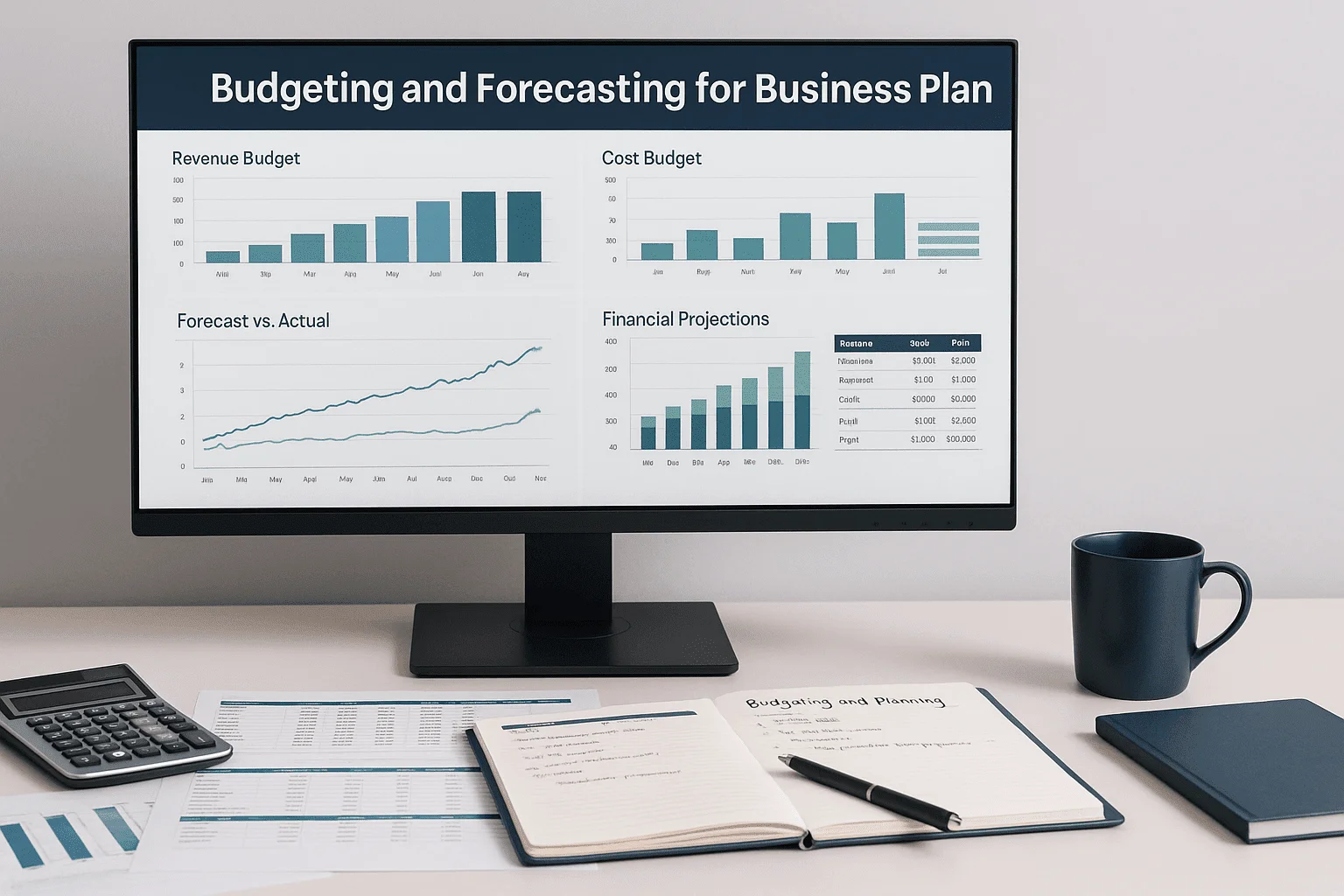
One of the most important functions is helping organizations plan for the future. Using historical data, market trends, and financial models, management accountants forecast cash flows, revenues, and expenses. This helps leadership answer critical questions — Should we expand to a new market? Should we invest in new equipment? As a result, businesses can make proactive decisions rather than reactive ones.
2. Decision-Making Support
Management accounting provides the data needed for every major business decision. Whether it’s a make-or-buy decision, pricing strategy, or entering a new product line, the numbers and analysis provided by management accountants guide the way. Furthermore, this data empowers decision-making at both operational and strategic levels.
3. Performance Evaluation
How well did each department perform last quarter? Management accounting answers this through variance analysis — comparing what was budgeted versus what actually happened. This process helps management build on positive performance and address negative deviations quickly and decisively.
4. Cost Control and Reduction
By constantly monitoring costs — fixed, variable, direct, and indirect — management accounting helps identify where money is being wasted. Consequently, businesses can cut unnecessary spending while maintaining quality and operational efficiency. This is especially critical in competitive industries where margins are thin.
5. Risk Management
Management accounting also plays a vital role in identifying and mitigating financial risks. By analyzing internal and external factors, it helps businesses prepare for uncertainties, create contingency plans, and reduce exposure to financial loss. Therefore, organizations that invest in solid management accounting practices are generally better prepared for economic downturns.
Why is Management Accounting Important?
The importance of management accounting cannot be overstated in today’s fast-paced business environment. However, many small business owners still underestimate how much value it brings. Here are the key reasons why every organization — big or small — should prioritize it.
✅ Better Decision-Making
Managers get real-time, accurate data to make smarter choices — from daily operations to long-term investments.
✅ Improved Efficiency
By identifying waste and streamlining processes, management accounting directly improves operational productivity and resource allocation.
✅ Strategic Alignment
It ensures that all departments and their financial activities are aligned with the overall goals and long-term vision of the company.
✅ Competitive Advantage
Companies using management accounting can adapt faster to market changes, optimize pricing, and control costs more effectively than competitors who don’t.
✅ Transparency & Accountability
Management accounting creates clear performance benchmarks, making it easier to hold teams accountable and reward high performers accordingly.
21%
CMA-certified professionals earn more than non-certified peers
Source: Institute of Management Accountants (IMA), 2024

Common Techniques Used in Management Accounting
Management accountants use a wide range of techniques depending on the business situation. These tools make complex financial data easy to understand and act upon. Additionally, they are flexible enough to adapt to almost any industry or company size.
Variance Analysis
This technique compares actual financial results with budgeted figures. Any difference — positive or negative — is called a “variance.” By analyzing these variances regularly, management can quickly spot where things are going off-track and take corrective action before small problems become big ones.
Activity-Based Costing (ABC)
Rather than assigning costs based on production volume alone, ABC assigns costs based on the actual activities that drive them. This gives a far more accurate picture of what things really cost. Moreover, it helps businesses eliminate activities that add cost without adding value.
Balanced Scorecard
The balanced scorecard is a strategic management tool that tracks performance across four dimensions: financial, customer, internal processes, and learning & growth. As a result, it gives managers a holistic view of how the business is performing — not just financially, but operationally and strategically.
Break-Even Analysis
This technique calculates the point at which total revenues equal total costs — meaning the business is neither making a profit nor a loss. Consequently, it is incredibly useful for pricing decisions, launch planning, and understanding the minimum sales volume needed to stay viable.
Frequently Asked Questions (FAQs)
Conclusion
Management accounting is far more than just crunching numbers. It is the strategic backbone of any well-run organization — helping businesses plan smarter, spend wiser, and grow faster. Whether you’re a student, a business owner, or a finance professional, understanding management accounting gives you a powerful edge.
As businesses become more complex and competitive, the demand for skilled management accountants continues to grow. The IMA reports that the median salary for accountants and auditors reached $81,680 in 2024, with CMA holders earning significantly more. Additionally, companies investing in management accounting practices consistently outperform those that rely solely on financial statements. In short — if you want to make better business decisions, management accounting is not optional. It’s essential.
📚 Further Reading:
Want to Master Management Accounting?
Explore our in-depth guides on budgeting, cost control, financial analysis, and more to grow your skills and career.