
Accounting Basics · 2026 Edition
What Is the Double Entry System?
A complete beginner’s guide to the most important accounting method in the world — explained simply with real examples.
📋 Key Takeaways
- The double entry system records every transaction in at least two accounts — once as a debit and once as a credit
- It was first codified by Luca Pacioli in 1494 and has been the foundation of accounting for over 500 years
- Total debits must always equal total credits — if they don’t, an error exists somewhere in the books
- The system is the only way to produce accurate financial statements like the balance sheet and income statement
- It is required under both GAAP and IFRS — making it the global standard for business accounting
If you’ve ever looked at an accounting entry and wondered why every transaction seems to affect two different accounts, you’ve already bumped into the double entry system — you just didn’t know the name for it yet. It’s one of those concepts that sounds complecated at first but becomes completly logical the moment someone explains it properly.
According to AccountingTools, the double entry system mandates that every business transaction must be recorded in at least two accounts, and that the total value of all debits must always match the total value of all credits. This single rule — elegant in its simplicity — has been the foundation of every accounting system in the world for over five hundred years.
In this guide, therefore, we’ll cover exactly what the double entry system is, why it was created, how it works in practice, its key features and advantages, real examples, and how it compares to the single entry system. By the end, you’ll understand not just what the double entry system does — but why it’s the only accounting method that truly works at scale.
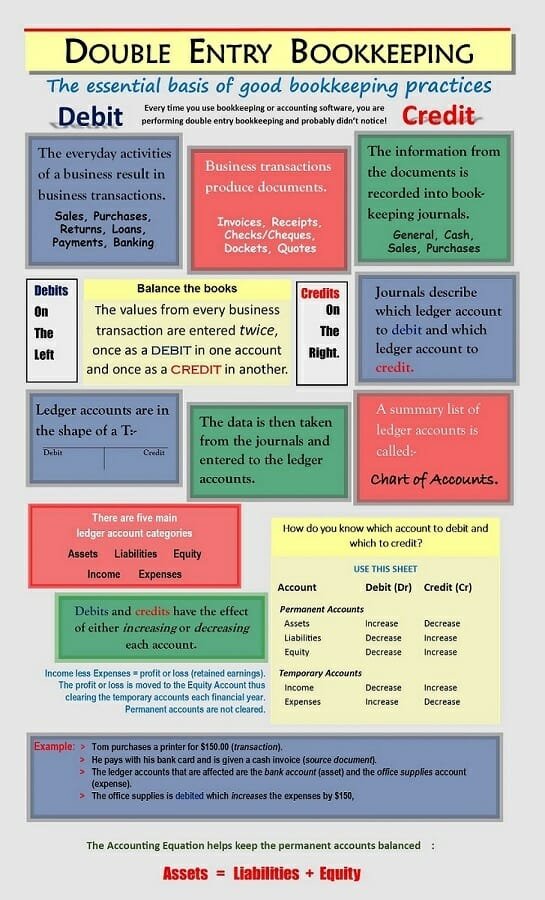
Fig 1. Every transaction in the double entry system affects at least two accounts simultaneously
What Is the Double Entry System?
The double entry system is an accounting method in which every financial transaction is recorded in a minimum of two accounts — one account is debited and another is credited — with the total debits always equaling the total credits.
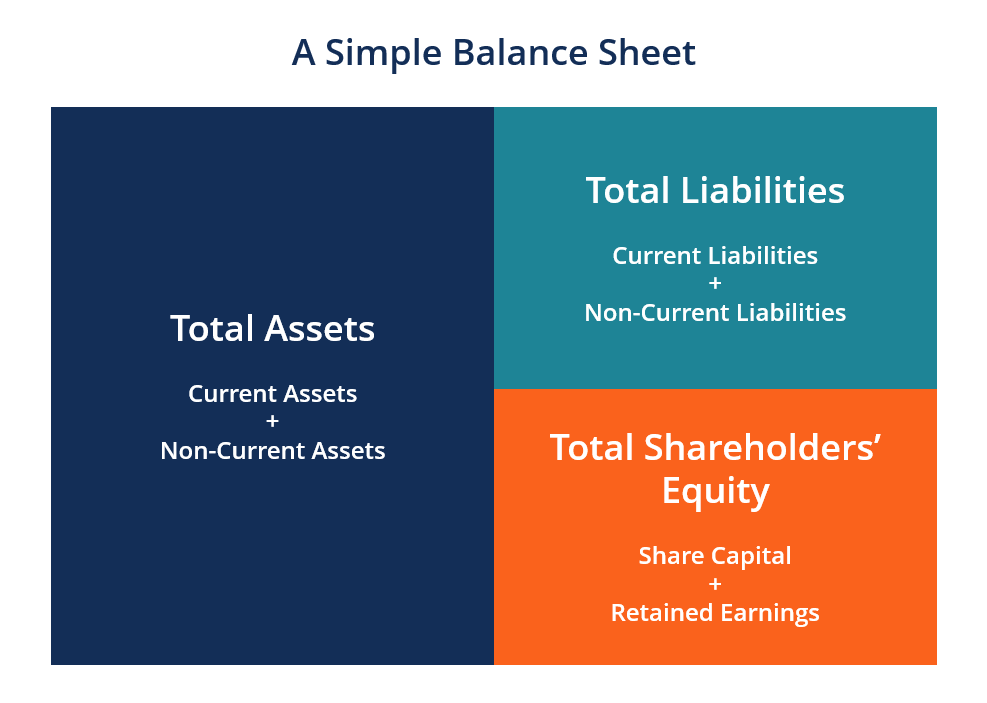
As AccountingCoach’s Harold Averkamp, CPA explains, this system also ensures that the fundamental accounting equation — Assets = Liabilities + Equity — always remains in balance. Every single transaction, no matter how simple or complex, keeps both sides of this equation equal.
Think of it this way — in the real world, every financial event has two sides. When you buy somthing, money leaves one place and an asset arrives in another. When you earn income, cash comes in and revenue is recognised. The double entry system simply captures both of these sides every single time, creating a complete, balanced, and verifiable record of every transaction a business ever makes.
A Brief History — Where Did It Come From?
The double entry system has a surprisingly rich history. According to Wikipedia, the earliest known accounting records following the modern double entry system in Europe come from Amatino Manucci, a Florentine merchant, whose firm’s ledger of 1299–1300 evidences its full use. Furthermore, the system began spreading between Italian merchant cities throughout the 14th century as trade expanded across Europe.
However, it was Luca Pacioli — a Franciscan friar and collaborator of Leonardo da Vinci — who first formally codified the system in 1494 in his mathematics textbook Summa de arithmetica. Pacioli is widely reffered to as the “father of accounting” because his work made the double entry system teachable and accessible to merchants across the world. As Pacioli himself described it, the system was essential for any merchant who wished to know “at all times the true state of their business.”
Over five centuries later, the core logic Pacioli documented in 1494 remains fundamentaly unchanged — and is required under both GAAP and IFRS today.
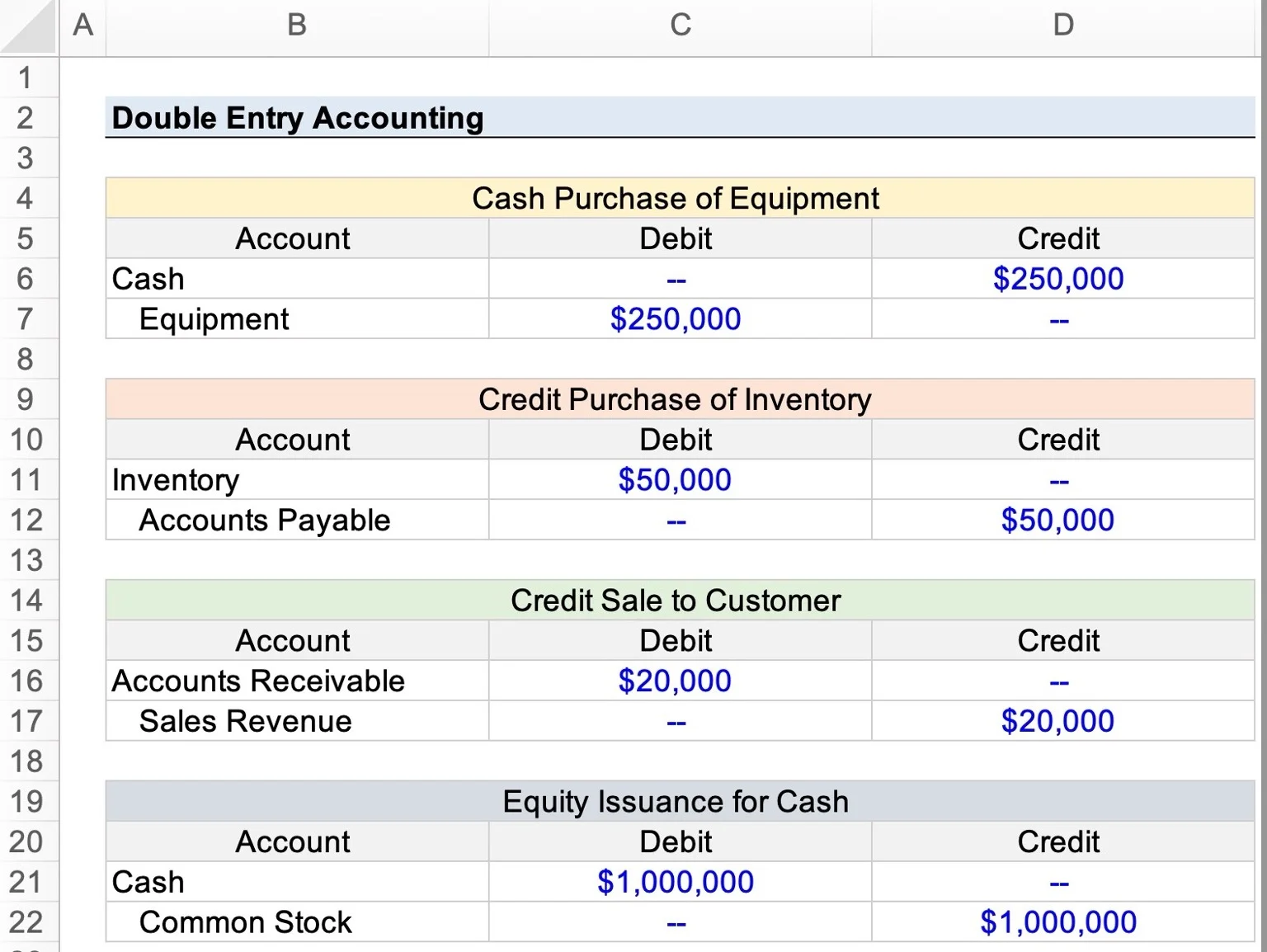
Fig 2. Luca Pacioli codified the double entry system in 1494 — a method still used globally today
Key Features of the Double Entry System
Understanding the core features of the double entry system helps explain why it became the universal standard for business accounting. Each feature solves a real problem that simpler accounting methods simply cannot handle:
🔄 Dual Aspect
Every transaction has two aspects — a debit aspect and a credit aspect. Both must be recorded in their respective accounts before an entry is considered complete.
⚖️ Equal Effect
The debit amount must always equal the credit amount in every single journal entry. If the two sides don’t match, the entry is out of balance and an error must be investigated immediatley.
📊 Two Parties
Every transaction involves two parties — a giver and a receiver. The receiving party is debited and the giving party is credited, reflecing the real-world transfer of value.
🏢 Separate Legal Entity
Transactions are recorded from the perspective of the business as a separate entity from its owners — keeping personal and business finances properly seperate in the records.
📋 Complete Records
Because both sides of every transaction are captured, the system produces a complete financial history — making it possible to generate a full set of financial statements at any point.
🔍 Error Detection
If the total debits don’t match the total credits, the system itself signals that something is wrong. This built-in check catches many errors and irregularities before they compound further.
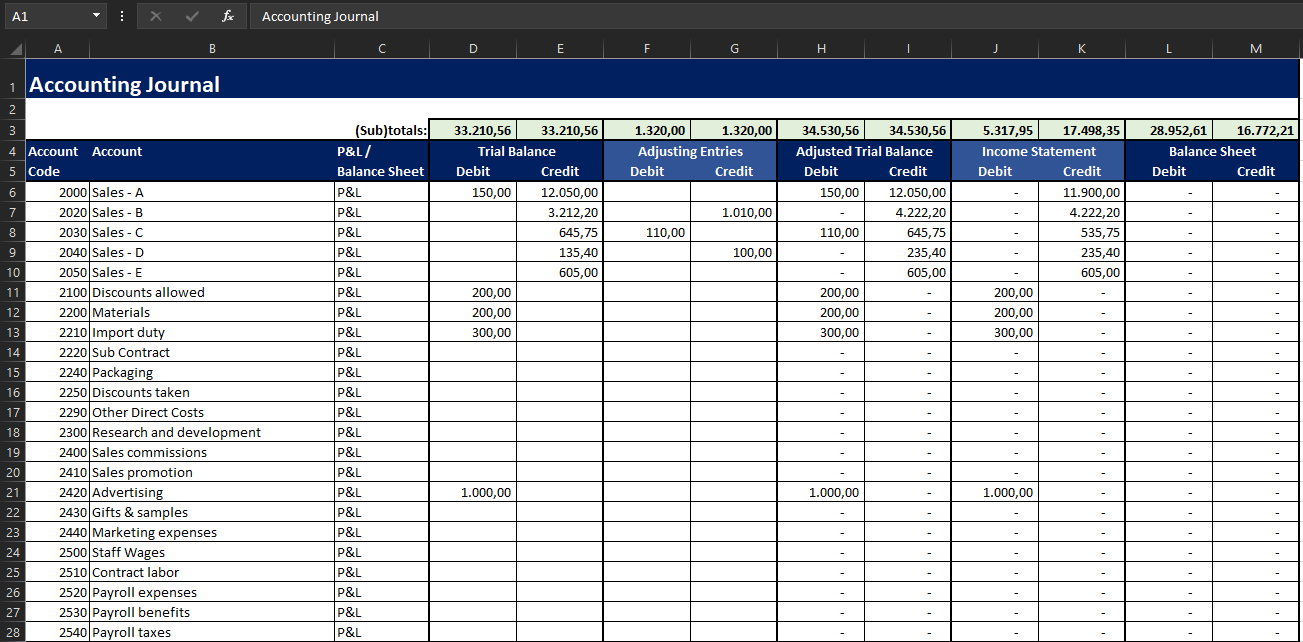
Fig 3. The six core features that make the double entry system the global accounting standard
How the Double Entry System Works — With Real Examples
The easiest way to understand the double entry system is to see it applied to real transactions. Here are four common business scenarios — each one demonstrates how the system captures both sides of the financial event:
Example 1 — Started Business with Cash
Transaction: Ahmed invests $20,000 cash to start his business.
| Cash Account | Dr. $20,000 | Asset increases — cash comes in |
| To Capital Account | Cr. $20,000 — Equity increases |
Example 2 — Purchased Goods on Credit
Transaction: Bought goods worth $5,000 on credit from a supplier.
| Purchases Account | Dr. $5,000 | Expense increases |
| To Supplier’s Account | Cr. $5,000 — Liability increases |
Example 3 — Sold Goods for Cash
Transaction: Sold goods worth $8,000 for cash.
| Cash Account | Dr. $8,000 | Asset increases — cash comes in |
| To Sales Account | Cr. $8,000 — Revenue increases |
Example 4 — Paid Rent
Transaction: Paid office rent of $2,000 in cash.
| Rent Expense Account | Dr. $2,000 | Expense increases |
| To Cash Account | Cr. $2,000 — Asset decreases |
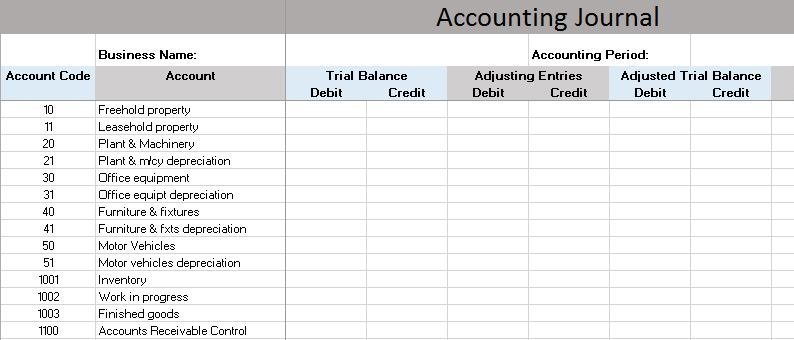
Fig 4. Four real-world double entry examples — every transaction balances perfectly
Double Entry vs Single Entry System
Many small businesses and sole traders start with single entry accounting — simply recording income and expenses in one column, like a cash book. While this is simpler, it has serious limitations that become visible very quickly as a business grows. Here is how the two systems compare:
| Feature | Single Entry | Double Entry |
|---|---|---|
| Accounts Affected | One | Two or more |
| Error Detection | Very difficult | Built-in check |
| Financial Statements | Cannot produce | Full set possible |
| Complexity | Simple | More detailed |
| Fraud Prevention | Weak | Strong |
| GAAP / IFRS Compliant | No | Yes |
| Best For | Freelancers, very small ops | All formal businesses |
Advantages of the Double Entry System
According to QuickBooks’ 2026 guide, the double entry system offers several powerful advantages that make it the only practical choice for any serious business:
1. Improves Accuracy: Because every transaction affects two accounts, errors are far easier to detect. If the books don’t balance, you know immediatley somthing went wrong and can investigate before it compounds.
2. Enables Financial Statements: Only a double entry system can produce a complete set of financial statements — the balance sheet, income statement, and cash flow statement. These are essencial for tax filing, loan applications, and investor reporting.
3. Prevents Fraud: Every entry has a corresponding record — making it significantly harder to manipulate the books without detection. Furthermore, this audit trail is invaluable during external audits or tax investigations.
4. Supports Business Growth: As transactions multiply with business growth, the double entry system scales effortlessly. Consequently, businesses that build on this system from the start avoid the painful process of retroactively converting from single entry books later.
5. Legal Compliance: Double entry accounting complies with GAAP and IFRS — the two global accounting standards. As a result, using it ensures that your financial records are acceptable to regulators, lenders, and investors wherever your business operates.
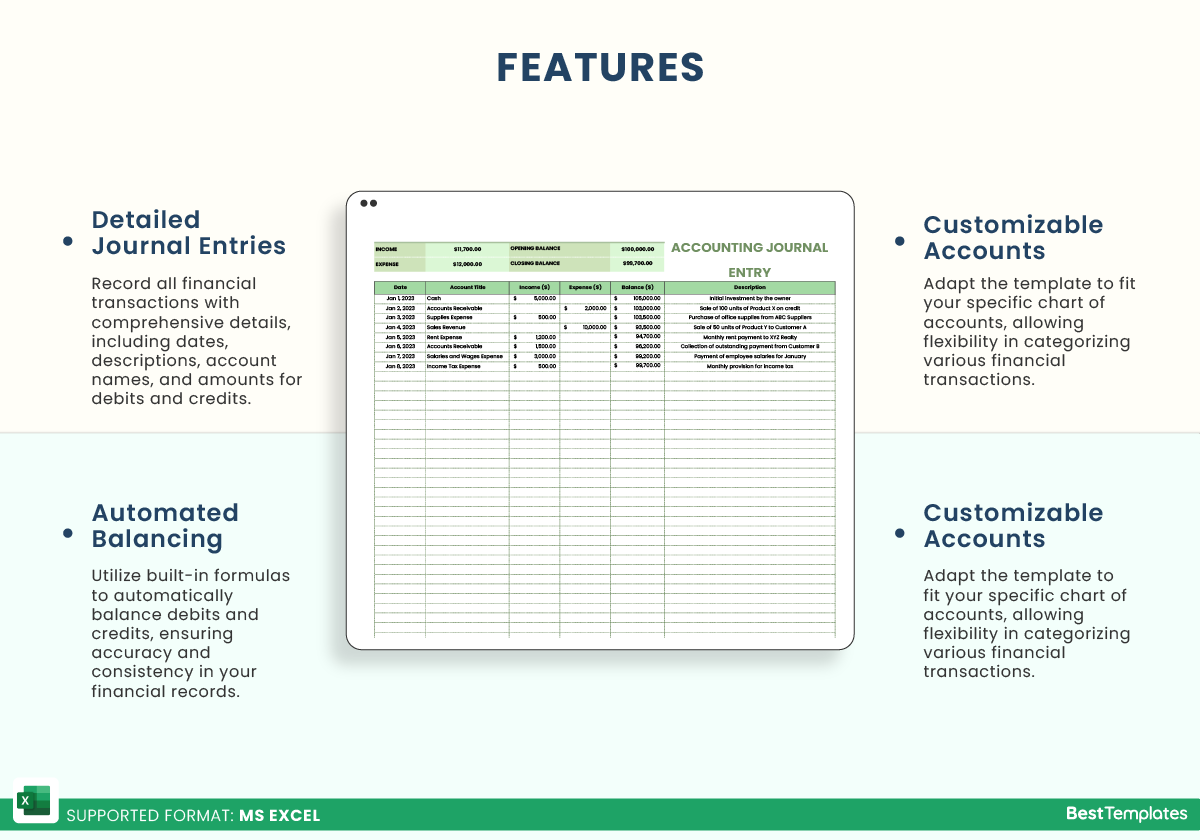
Fig 5. The five key advantages that make the double entry system the only viable choice for growing businesses
Frequently Asked Questions
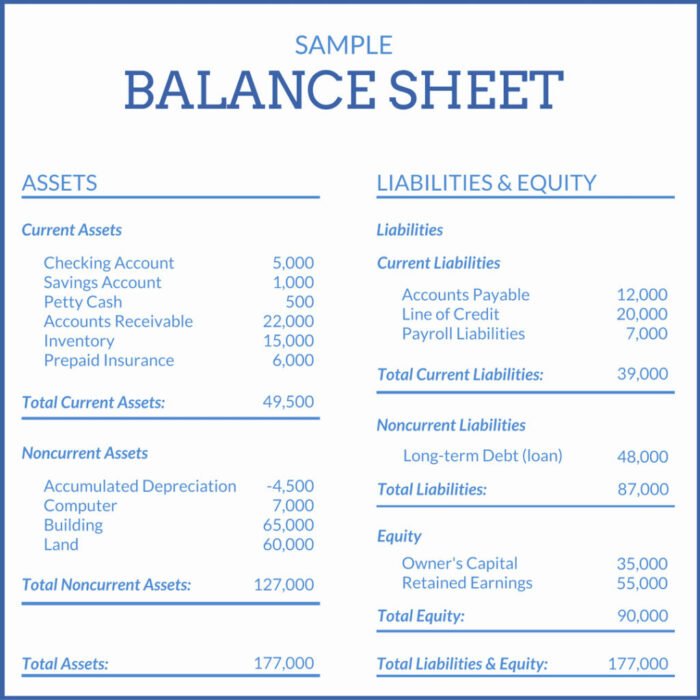
Fig 6. Double entry vs single entry — why every serious business chooses the double entry system
This is for your information
Final Thoughts
The double entry system has survived for over 500 years because it solves a real and fundamental problem — how do you keep a completly accurate, verifiable record of every financial event in a business? The answer, as Luca Pacioli showed in 1494, is to record every transaction twice: once where the value comes from, and once where it goes.
Furthermore, understanding the double entry system isn’t just an academic exercise. Its the foundation on which journal entries, ledger accounts, trial balances, and all four major financial statements are built. If you’ve been following our accounting guides on this site, you’ll recognise how every topic we’ve covered — from the accounting equation to the balance sheet — traces directly back to this one core principle.
Start with the golden rule: every debit has an equal credit. Everything else in accounting follows naturaly from there.
Continue Learning
Explore Our Full Accounting Series
From journal entries and ledger accounts to trial balance and financial statements — every guide builds on this double entry foundation.