
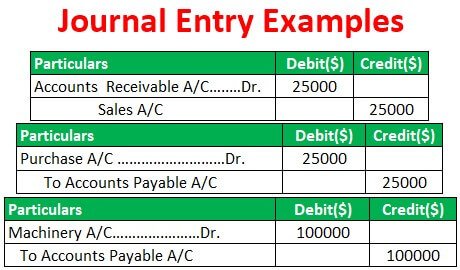
If you’ve ever opened an accounting textbook and felt completely lost at the words “journal entry” — trust me, you’re not alone. Most people find this topic confusing at first, but once you see a few real examples, it starts to make a lot of sence. Journal entries are quite literally the starting point of all accounting, and once you understand them, everything else becomes much easier to follow Furthermore, Moreover, In addition.
Journal entries are used in every business, big or small — from a tiny tea shop in Lahore to a multinational corporation in New York. Whenever a financial transaction takes place, it is first recorded in the journal before it goes anywhere else. Think of the journal as the first draft of your financial story. In this article, we’ll cover what journal entries are, how they work, the format used, types of journal entries, and plenty of real-world examples to make the concept crystal clear However, On the other hand.
What Is a Journal Entry in Accounting?
A journal entry is the first formal record of a financial transaction in the accounting system. It is recorded in a book called the “General Journal” and folows the principles of double-entry bookkeeping — meaning every transaction affects atleast two accounts, with one being debited and the other being credited.
The purpose of a journal entry is simple: to capture the financial impact of every business event in an organized, chronological way. Without journal entries, there would be no accurate financial records, no balance sheets, no profit and loss statements — basically,Therefore, no accounting at all. Therefore, As a result, Consequently,Every single number you see in a company’s annual report started life as a humble journal entry.
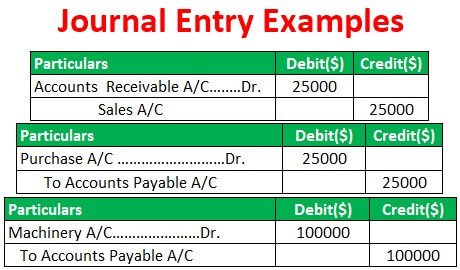
Basic Journal Entry Format in Accounting
Format of a Journal Entry
Every journal entry has a specific format that must be followed. For example, For instance, It doesn’t matter if you’re doing accounting by hand in a notebook or using software like QuickBooks or Tally — the basic structure remains the same. A standard journal entry contains the following elements:
| Element | Description | Example |
|---|---|---|
| Date | When the transaction occured | Jan 1, 2026 |
| Account Debited | Account receiving value — written first | Cash A/c Dr. |
| Account Credited | Account giving value — written below, indented | To Capital A/c |
| Narration | Brief explanation of the transaction | (Being capital invested) |
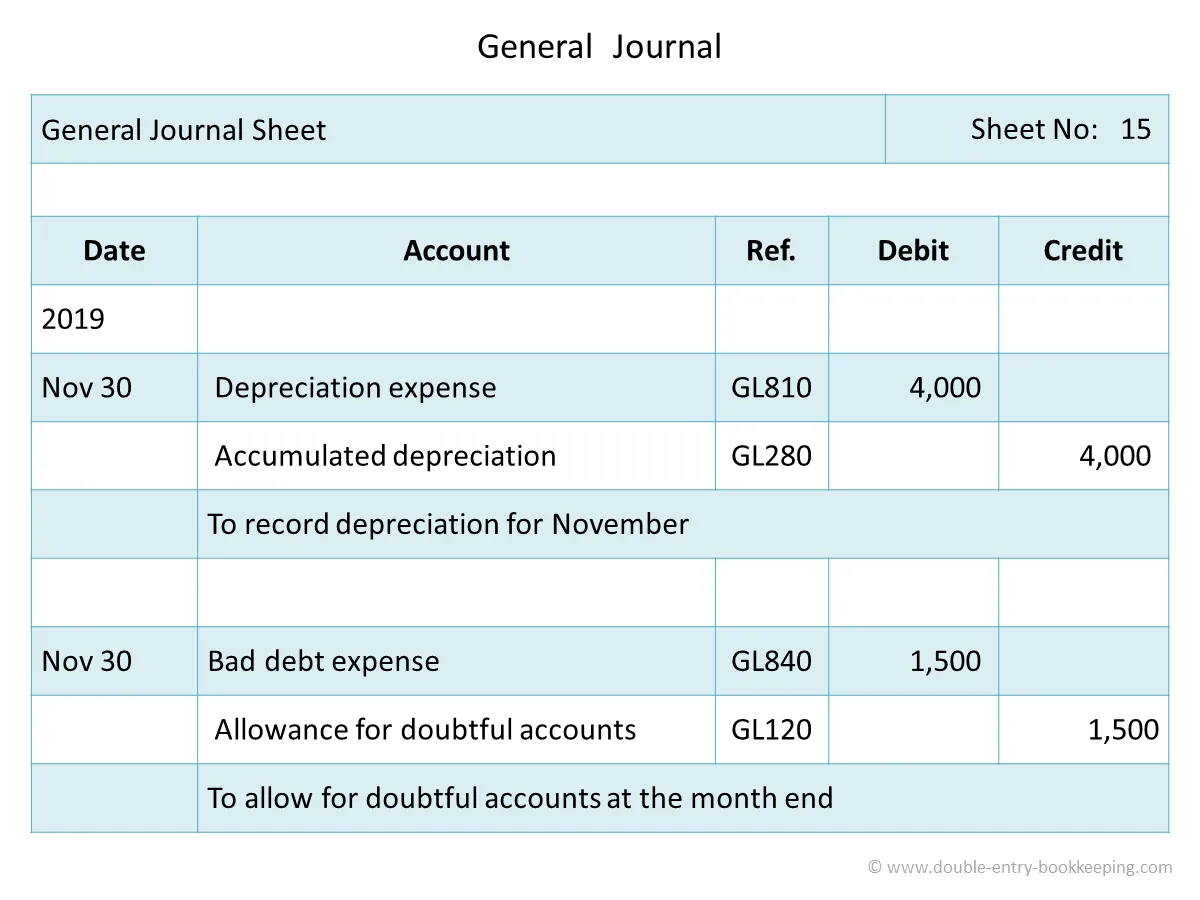
Standard Journal Entry Format with Narration
Types of Journal Entries
Not all journal entries are the same. Depending on the nature of the transaction and how many accounts are involved, journal entries are classified into different types. Understanding these types will help you handle any transaction that comes your way in the real world.
Simple Journal Entry
Involves only two accounts — one debit and one credit. This is the most basic and commmon type of journal entry that beginners will encounter most often.
Compound Journal Entry
Involves more than two accounts — either multiple debits, multiple credits, or both. Used when a single transaction affects severel accounts at the same time.
Adjusting Journal Entry
Made at the end of an accounting period to update account balances. These entries ensure that revenues and expenses are recorded in the correct period according to accrual accounting.
Closing Journal Entry
Recorded at the end of the financial year to close temporary accounts like revenues, expenses, and drawings by transfering their balances to retained earnings or capital account.
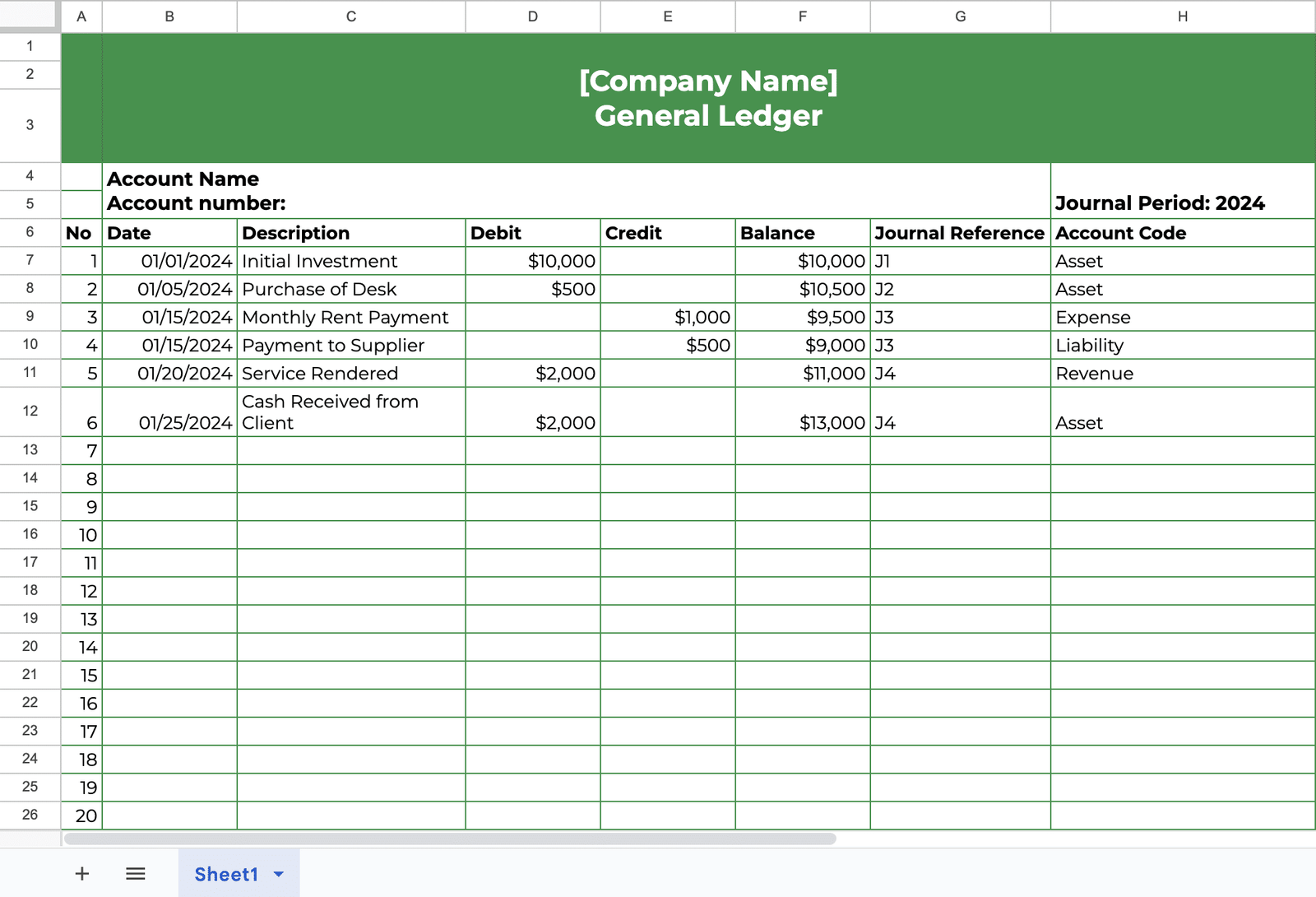
Types of Journal Entries in Accounting
Journal Entry Examples — Step by Step
Now let’s get into the most importent part — real examples. I’ll walk you through eight common business transactions and show you exactly how to record each one as a journal entry. These are the kind of transactions that happen in almost every business on a daily basis.
Example 1 — Started Business with Cash
Transaction: Ali starts a business by investing $30,000 cash on January 1, 2026.
| Cash A/c | Dr. $30,000 | |
| To Capital A/c | Cr. $30,000 |
(Being cash invested by owner to start business)
Example 2 — Purchased Goods for Cash
Transaction: Purchased goods worth $5,000 cash for resale.
| Purchases A/c | Dr. $5,000 | |
| To Cash A/c | Cr. $5,000 |
(Being goods purchased for cash)
Example 3 — Purchased Goods on Credit
Transaction: Bought goods worth $8,000 on credit from Hassan.
| Purchases A/c | Dr. $8,000 | |
| To Hassan’s A/c | Cr. $8,000 |
(Being goods purchased on credit from Hassan)
Example 4 — Sold Goods for Cash
Transaction: Sold goods worth $12,000 for cash.
| Cash A/c | Dr. $12,000 | |
| To Sales A/c | Cr. $12,000 |
(Being goods sold for cash)
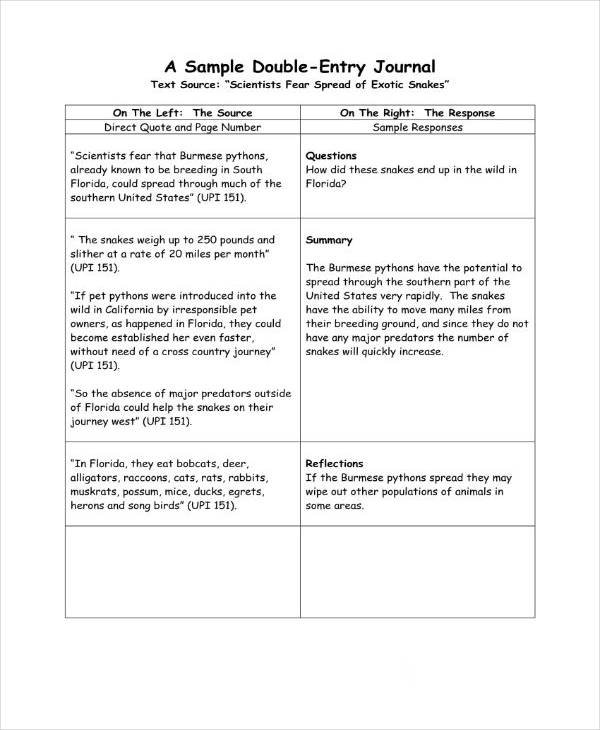
Journal Entry Examples — Debit and Credit Transactions
Example 5 — Paid Rent
Transaction: Paid office rent of $2,000 in cash.
| Rent Expense A/c | Dr. $2,000 | |
| To Cash A/c | Cr. $2,000 |
(Being rent paid for the month)
Example 6 — Paid Salaries
Transaction: Paid salaries to employees amounting $6,500.
| Salaries Expense A/c | Dr. $6,500 | |
| To Cash A/c | Cr. $6,500 |
(Being salaries paid to staff for the month)
Example 7 — Took Bank Loan
Transaction: Recieved a bank loan of $20,000 into business account.
| Bank A/c | Dr. $20,000 | |
| To Loan Payable A/c | Cr. $20,000 |
(Being loan recieved from bank)
Example 8 — Compound Entry (Bought Asset Partly Cash, Partly Credit)
Transaction: Purchased machinery worth $15,000 — paid $5,000 cash and remaining on credit.
| Machinery A/c | Dr. $15,000 | |
| To Cash A/c | Cr. $5,000 | |
| To Creditor A/c | Cr. $10,000 |
(Being machinery purchased partly for cash and partly on credit)
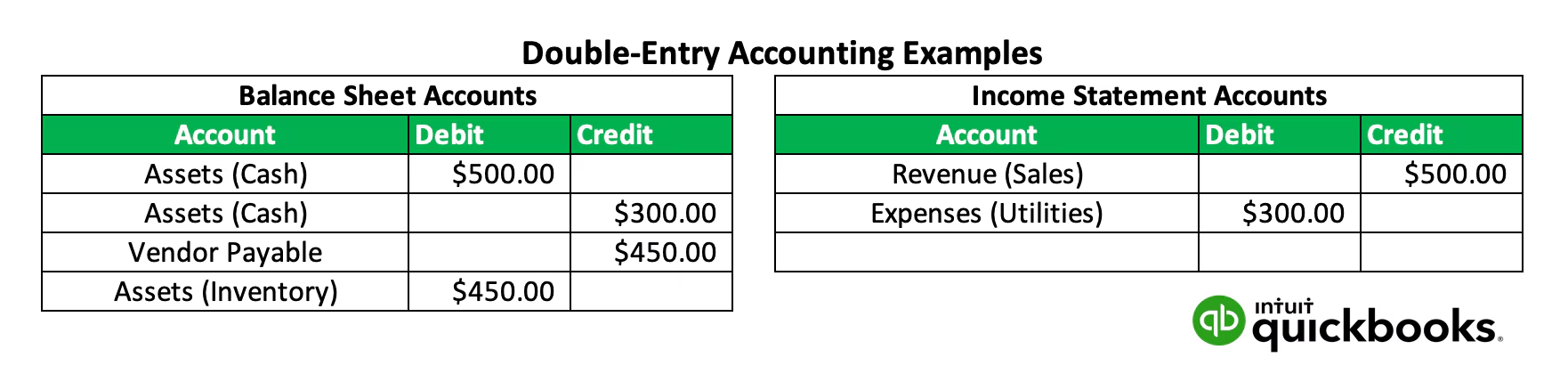
Compound Journal Entry — Multiple Accounts in One Transaction
Why Journal Entries Matter for Your Business
A lot of small business owners think journal entries are only for accountants and students. That’s actually a big mistake. When you record journal entries properly — even in simple accounting software — you get a very clear picture of where your money is going, how much you owe, and how much you’re actualy earning. This information is what helps you make smart business decisions.
Banks and investors also look at your journal entries and financial records when you apply for a loan or seek investment. If your records are messy or inaccurate, it can seriously hurt your chances of getting funded. Proper journal entry practise from day one can save you a lot of headache later on.
Good Bookkeeping Starts with Proper Journal Entries
Common Mistakes to Avoid in Journal Entries
Mistake 1 — Debiting and Crediting the Wrong Accounts: This is the most freqeunt mistake beginners make. Always apply the golden rules before deciding which account to debit and which to credit. If you’re unsure, identify the account type first — Real, Personal, or Nominal — and then apply the rule.
Mistake 2 — Forgetting the Narration: Many students skip writing the narration at the bottom of each journal entry. The narration is very importent because it explains what the transaction was about. Without it, someone reading your journal won’t understand why the entry was made.
Mistake 3 — Wrong Date: Journal entries must be recorded on the exact date the transaction occured. Using the wrong date can throw off your entire accounting period and lead to incorrect financial statements.
Mistake 4 — Unequal Debits and Credits: In double-entry bookkeeping, total debits must always equal total credits. If they don’t match, it means somthing has been recorded incorrectly and needs to be investigated right away.
Quick Recap — Journal Entry Rules 📝
Debit before Credit
Credit indented
Narration required
Dr = Cr always
Apply Golden Rules
Final Thoughts
Journal entries might seem like a small technical detail, but they are actualy the heartbeat of an entire accounting system. Every balance sheet, every profit and loss account, every financial report — all of it traces back to individual journal entries recorded day by day. Getting comfortable with them is one of the best investments you can make in your accounting education.
Start with the simple examples in this article, practice them regularly, and don’t be afraid to make mistakes — that’s honestly how everyone learns accounting. Once journal entries become second nature to you, the rest of accounting will fall into place much more easily than you might expect.
Every financial record in history started as a single journal entry — and yours can too.