
Accounting Basics · Updated 2026
Trial Balance Explained
A complete, beginner friendly breakdown of what a trial balance is, why it matters, and how to actually prepare one.
📋 Key Takeaways
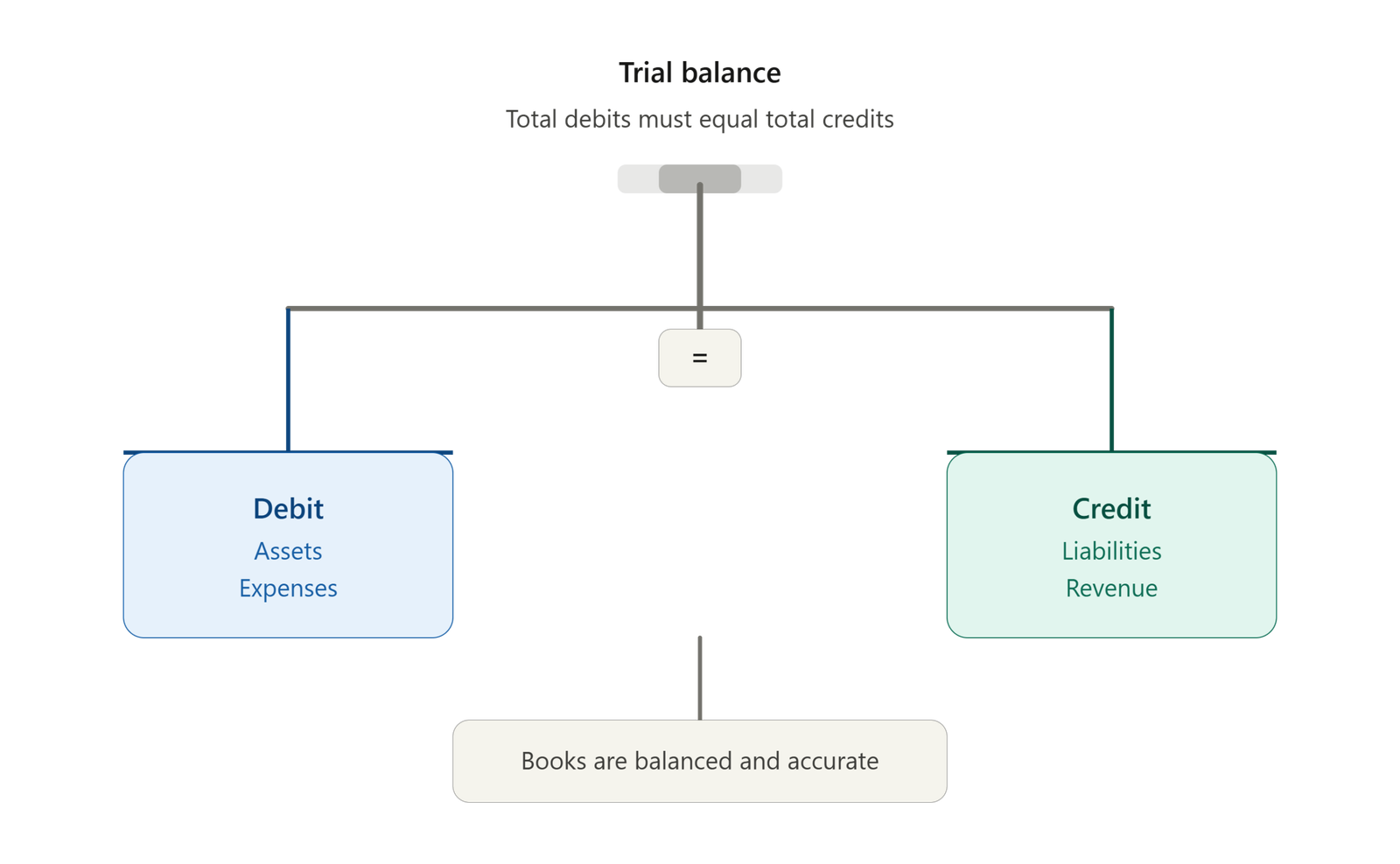
- A trial balance lists every general ledger account along with its closing debit or credit balance
- Its main job is to confirm that total debits equal total credits before financial statements are made
- There are three types — unadjusted, adjusted, and post-closing trial balance
- A trial balance is not an official financial statement, it’s an internal worksheet
- Even when a trial balance “tallies,” it can still hide certain errors like omissions or compensating mistakes
If you’ve ever sat with a stack of ledgers trying to figure out why your numbers don’t add up, you already understand why the trial balance exist. It’s one of those accounting terms that sounds intimidating the first time you hear it, but once you actually see one, it clicks pretty fast.
In simple words, a trial balance is a list of every account in your general ledger along with its ending balance, organised so you can quickly check whether your debits and credits match. As Stripe explains it, think of it as a financial checkup — a summary that pulls every account balance into one place at a given point in time.
By the end of this guide you’ll know exactly what a trial balance is, the 3 types you’ll come across, how to actually prepare one step by step, and the most common mistakes that trip people up — including a few that the trial balance won’t even catch.
What Is a Trial Balance?
A trial balance is an internal accounting report that lists the closing balance of every account in the general ledger at a specific date. Every account — assets, liabilities, equity, revenue, expenses, gains, and losses — gets listed with either its debit or credit balance.
According to AccountingTools, the report is run as part of the month-end closing process, and its job is to make sure no unbalanced journal entries exist before financial statements get build. If everything’s been recorded correctly under double-entry bookkeeping, your total debits should equal your total credits — no exceptions.
Here’s something important to remember: a trial balance is NOT a financial statement. It’s strictly an internal worksheet used by accountants and bookkeepers — it’s never distributed to investors, banks, or outside parties. It’s more like a draft, a quality check, a behind-the-scenes tool that makes the “real” reports (balance sheet, income statement) possible.
This is for your benifits
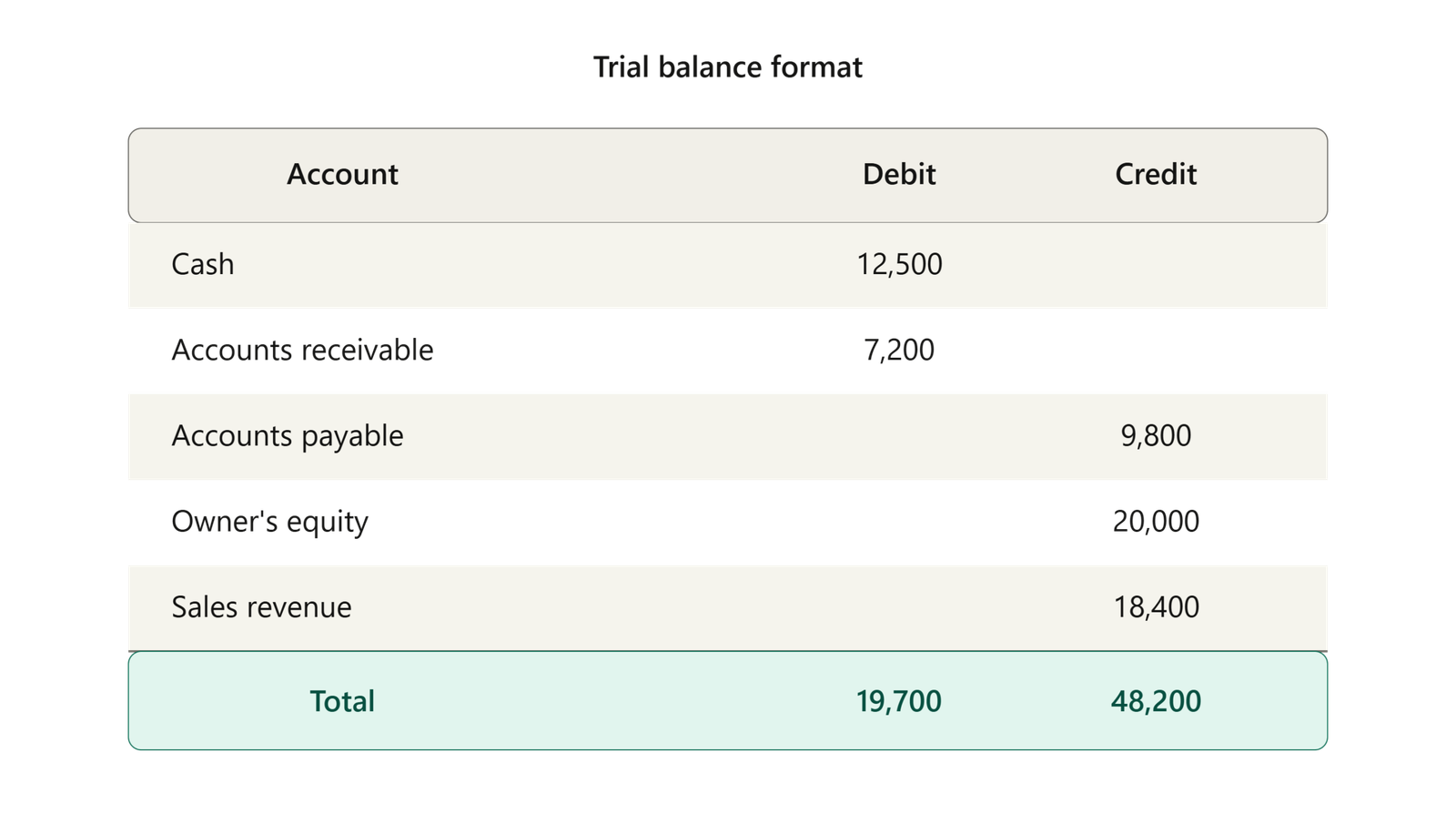
Fig 2. Basic trial balance format — accounts on the left, debit/credit columns on the right
Why the Trial Balance Matters
You might be wondering — if computer software does all the accounting automatically now, why bother with a trial balance at all? Good question, and honestly a fair one.
Here’s why it still matters in 2026, even with accounting software running everything behind the scenes:
- Catches mathematical errors — if debits don’t equal credits, something is wrong and you’ll know immediately
- Confirms double-entry accuracy — every transaction should hit two accounts; the trial balance proves this happened
- Foundation for financial statements — your income statement and balance sheet are basically built from trial balance data
- Speeds up the audit process — auditors often start by reviewing the trial balance before digging deeper
- Builds confidence in your books — a clean trial balance means your accounting system is functioning properly
A study referenced by Imarticus found that around 60% of accounting errors come from basic bookkeeping mistakes — exactly the kind of thing a trial balance is designed to surface early, before they snowball into bigger problems.
3 Types of Trial Balance
Not all trial balances are the same — they get prepared at different stages of the accounting cycle, for different purposes. Here are the three you’ll come across:
Unadjusted Trial Balance
Prepared right after posting all transactions, before any adjusting entries are made. This is your raw, first-pass check.
Adjusted Trial Balance
Prepared after adjusting entries (depreciation, accruals, prepayments) have been posted. This version feeds directly into financial statements.
Post-Closing Trial Balance
Prepared after closing entries shut down temporary accounts (revenue, expenses). Only permanent accounts remain — it’s the starting point for the next period.
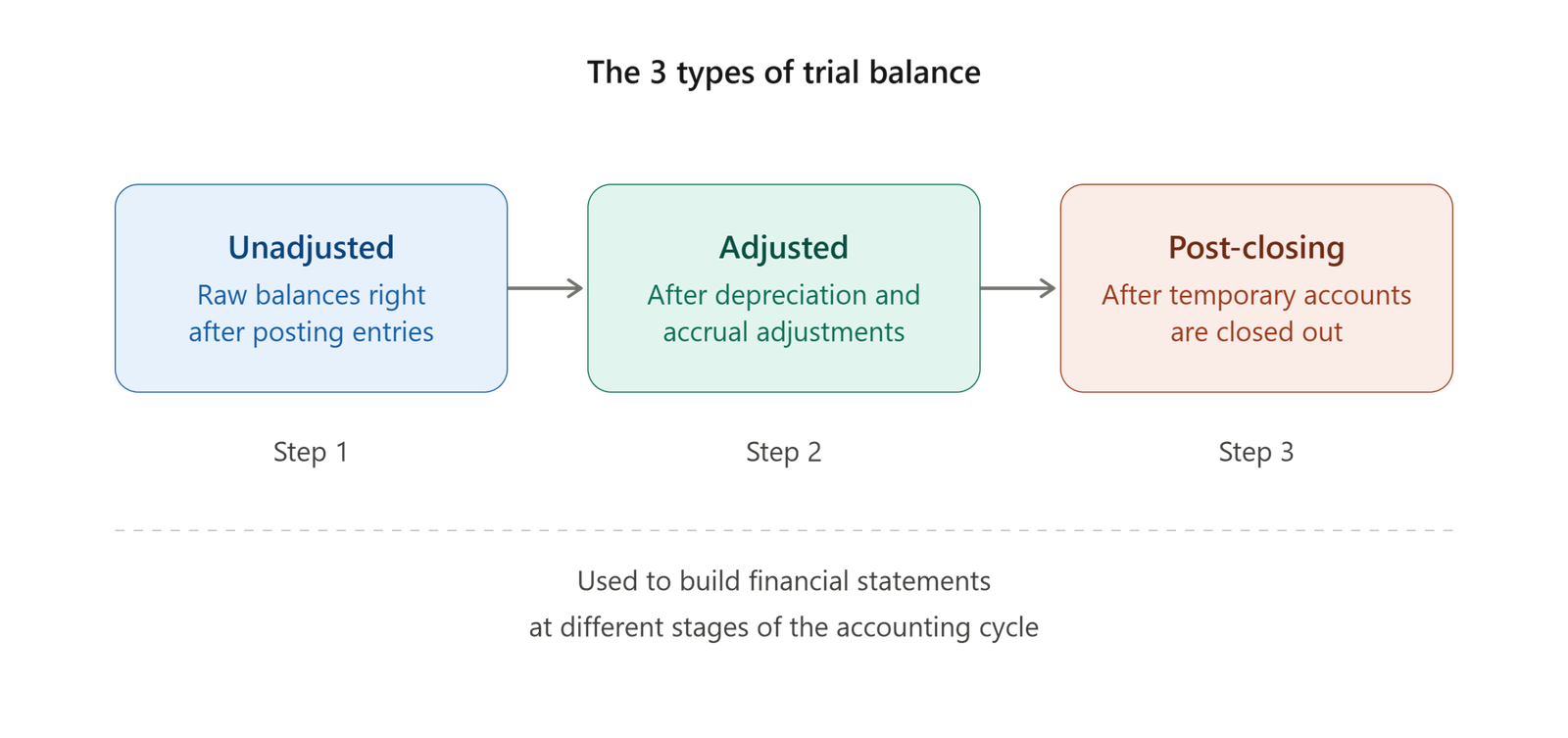
Fig 3. The 3 stages of trial balance through the accounting cycle
How to Prepare a Trial Balance (Step by Step)
Preparing a trial balance isn’t complicated once you break it into steps. Here’s the process most accountants follow, whether your doing it by hand or using software:
Gather all ledger balances
Pull the closing balance of every account from your general ledger — cash, receivables, payables, equity, revenue, expenses, all of it.
List accounts in order
Typically listed in this order: assets, liabilities, equity, revenue, then expenses — matching the structure of the chart of accounts.
Place balances in the correct column
Each account goes into either the debit or credit column depending on its normal balance — assets and expenses are usually debits, liabilities, equity, and revenue are usually credits.
Total both columns
Add up the full debit column, then add up the full credit column separately.
Compare the totals
If both totals match — congrats, your trial balance “tallies.” If they don’t, it’s time to start investigating where the mismatch came from.
Here’s a simplified example of what a finished trial balance might look like for a small business:
| Account | Debit ($) | Credit ($) |
|---|---|---|
| Cash | 12,500 | |
| Accounts Receivable | 7,200 | |
| Equipment | 25,000 | |
| Accounts Payable | 9,800 | |
| Owner’s Equity | 20,000 | |
| Sales Revenue | 18,400 | |
| Rent Expense | 3,500 | |
| Total | 48,200 | 48,200 |
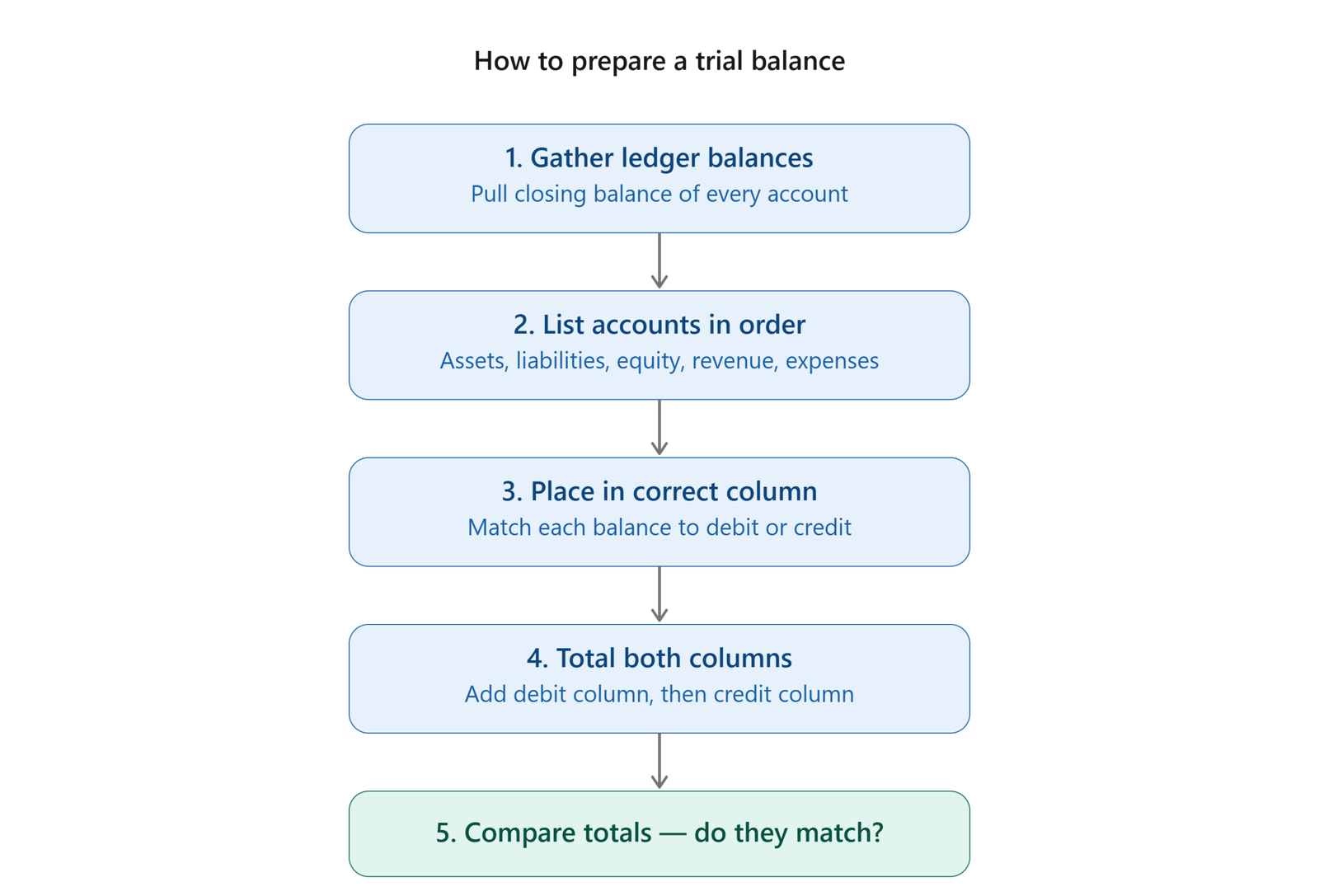
Fig 4. Most businesses today prepare trial balances through accounting software rather then by hand
Common Trial Balance Errors (And How to Catch Them)
Here’s the part most beginners don’t expect — a trial balance that “tallies” doesn’t always mean your books are 100% correct. Some errors get caught immediately, others slip right through.
According to GeeksforGeeks, trial balance errors fall into two broad camps — errors the trial balance disclosed (it won’t balance) and errors it doesn’t disclose (it still balances, but something’s wrong). Here are the ones to know:
When debits and credits genuinely don’t match, accountants often open a suspense account to temporarily hold the difference while they investigate — this keeps the books moving forward without losing track of the discrepancy.
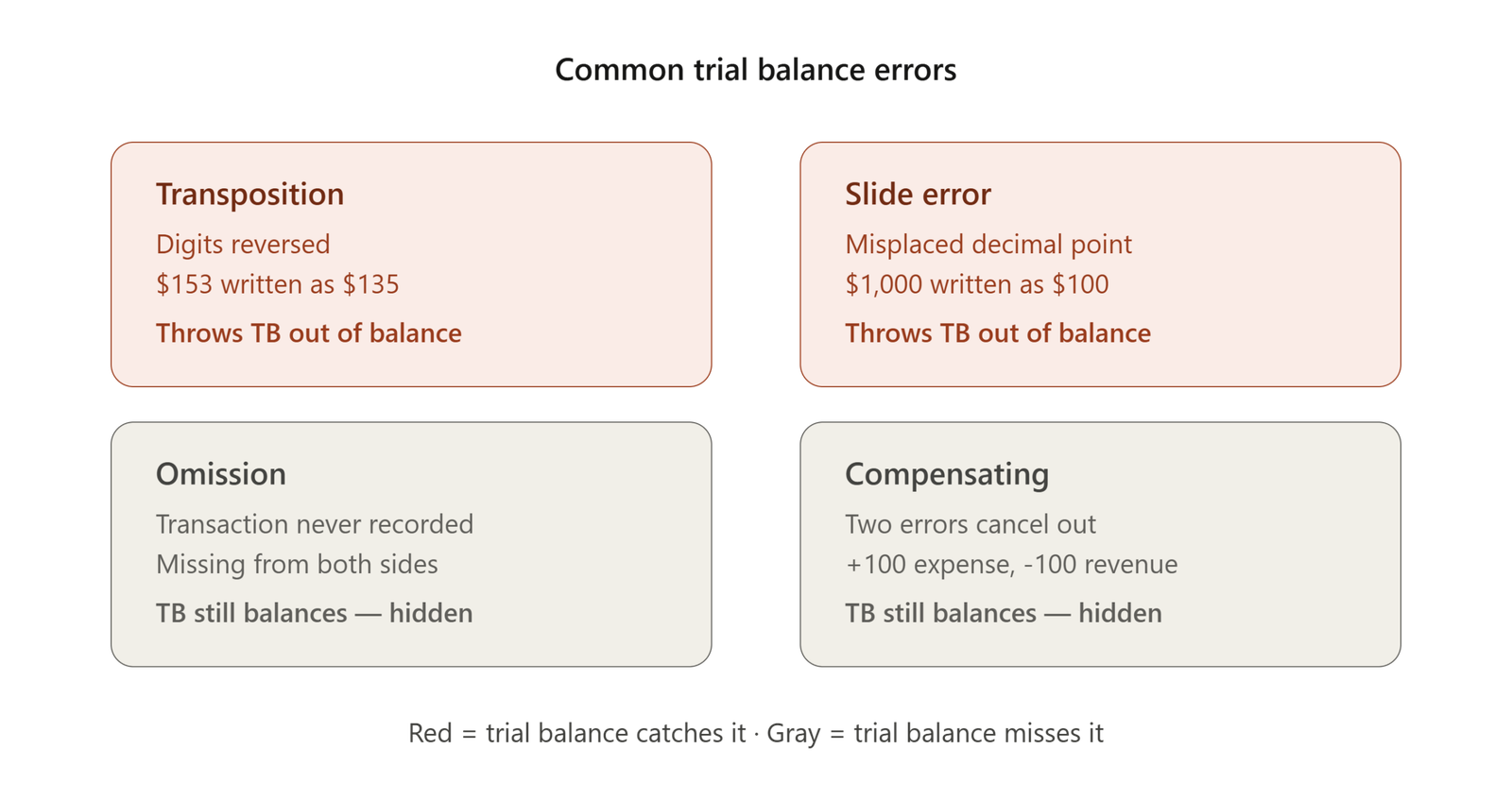
Fig 5. Catching errors early saves hours of rework when financial statements are due
Trial Balance vs Balance Sheet — What’s the Difference?
People mix these two up constantly, and honestly it makes sense — they look kind of similar at first glance. But they serve very different purposes.
As QuickBooks points out, a trial balance is an internal auditing tool, while a balance sheet is a formal financial statement meant for external use. The trial balance shows every single account individually — including each bank account separately — while a balance sheet groups similar accounts together under broader headings like “cash and cash equivalents.”
- Trial balance — internal only, lists every account separately, includes revenue and expenses
- Balance sheet — external facing, groups accounts together, shows only assets, liabilities, and equity
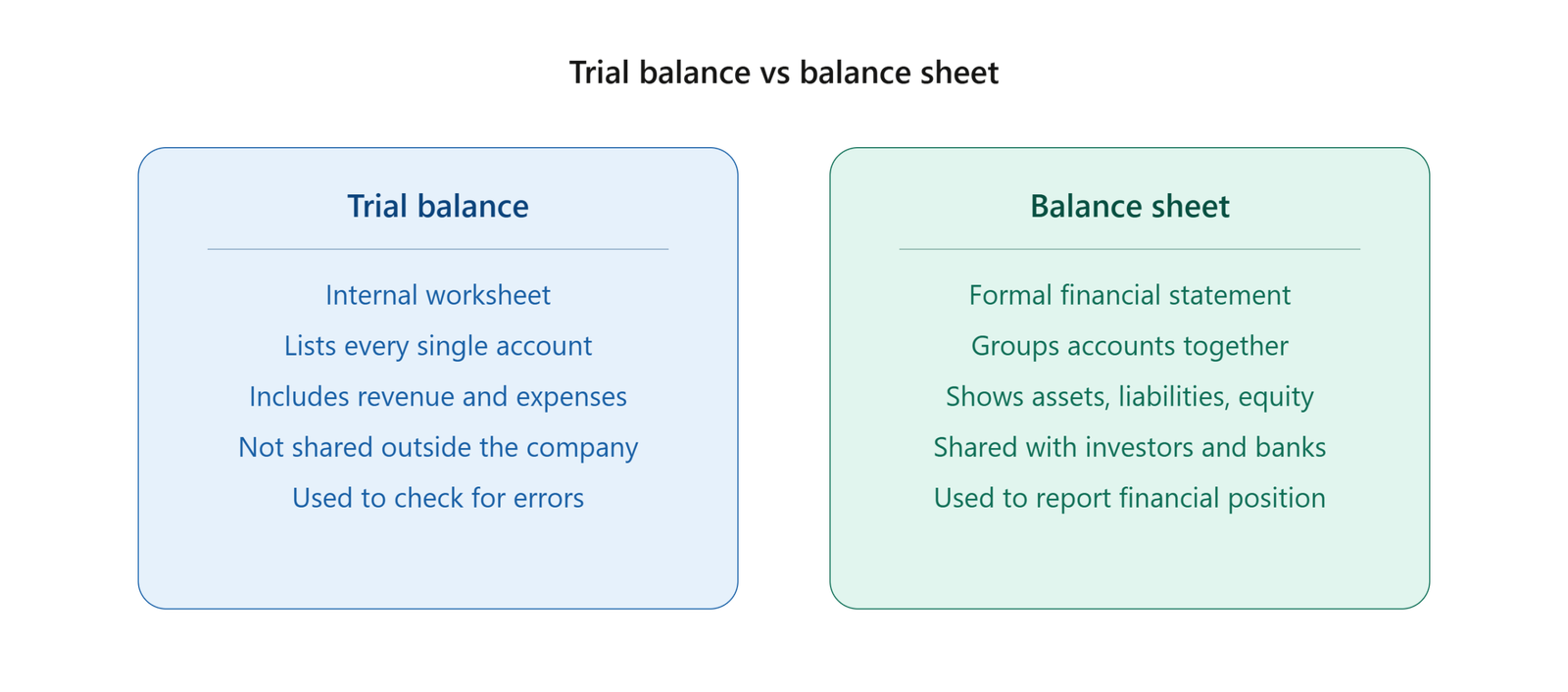
Fig 6. Trial balance feeds into the balance sheet, but they are not the same document
Frequently Asked Questions About Trial Balance
Final Thoughts
The trial balance isn’t glamorous accounting work, but its one of the most important checkpoints in the entire accounting cycle. It catches the mathematical slip-ups before they turn into bigger headaches down the road — wrong tax filings, inaccurate financial statements, confused investors.
Once you understand that it’s simply a list of ending balances checking whether debits equal credits, the whole concept stops feeling intimidating. Practice with a few examples, get comfortable spotting the common errors we covered above, and you’ll find that reading and preparing a trial balance becomes second nature pretty quickly.
If your just starting out in accounting, the trial balance is one of the best places to build your foundation — because everything else, from the income statement to the balance sheet, eventually traces back to it.
Want to learn more?
Master the Full Accounting Cycle
Understanding the trial balance is step one. Explore our other guides to learn how financial statements connect together.